Alexander Kirkland
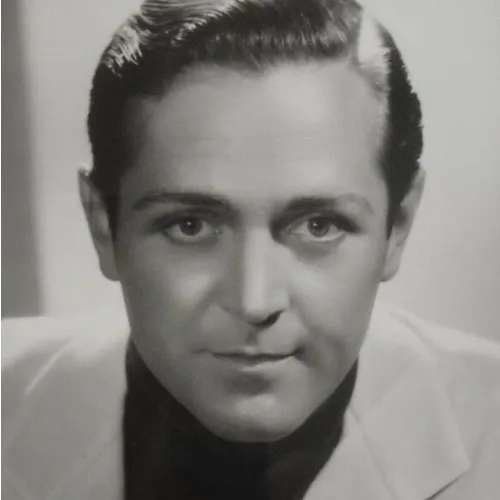
In the vibrant landscape of early 20th-century entertainment, Alexander Kirkland emerged as a multifaceted performer who seamlessly navigated the worlds of radio, stage, and film. Born in Mexico City in 1901, Kirkland would become a notable figure in the entertainment industry, leaving an indelible mark on the radio broadcasting era.
Early Life and Artistic Beginnings
William Alexander Kirkland was born into a distinguished family, the son of Robert Gowland Kirkland and Charlotte Megan, and grandson of Rear Admiral William Alexander Kirkland. His artistic journey began early, with a passion for performance that would define his career. Kirkland received his education at prestigious institutions, though the specific details remain somewhat mysterious. His initial foray into the performing arts started on the Broadway stage, with his first play being The Devil to Pay. This early theatrical experience would prove to be a launching pad for his diverse career in entertainment. Kirkland was not just an actor but also a freelance writer, contributing stories to popular national magazines, showcasing his multifaceted talents.
Radio Performance and Dramatic Roles
Kirkland's radio career was particularly noteworthy. In the early 1940s, he became a prominent voice in radio drama, taking on significant roles in several popular soap operas. He portrayed David Brewster in one soap opera, Curt Lansing in another, and Russell Barrington in a third, demonstrating his versatility as a radio performer. His ability to bring characters to life through voice alone made him a valued performer in the golden age of radio. These roles highlighted his range and ability to connect with audiences through the intimate medium of radio broadcasting.
Hollywood and Stage Collaborations
In the late 1920s, Kirkland transitioned to Hollywood, quickly establishing himself as a leading man. He starred in numerous films throughout the 1930s, including Tarnished Lady (1931), Strange Interlude (1932), and 13 Rue Madeleine (1947). His film career ran parallel to his stage work, and he was notably associated with the Group Theatre, a revolutionary theatrical collective of the era. Kirkland was also part of the Yale Puppeteers, touring and working with the troupe at the Turnabout Theatre in Los Angeles, which operated from 1941 to 1956. This period showcased his versatility as a performer, moving between different theatrical and performance mediums.
Personal Life and Legacy
Kirkland's personal life was as dynamic as his professional career. He was married three times, including a brief marriage to Gypsy Rose Lee in 1942 and later to Greta Jacqueline Baldridge in 1959. Interestingly, he was used as a model for a character in an early gay novel, indicating his complex social connections. By the time of his death around 1986 in Alimodian, Iloilo, Philippines, Kirkland had established himself as a versatile performer who had made significant contributions to radio, stage, and screen.
Works and Appearances
Radio
- David Brewster in unnamed soap opera (early 1940s)
- Curt Lansing in unnamed radio drama
- Russell Barrington in another radio drama
Film
- Tarnished Lady (1931) - DeWitt Taylor
- Strange Interlude (1932) - Sam Evans
- 13 Rue Madeleine (1947) - Briefing Officer (Uncredited)
- A Face in the Crowd (1957) - Jim Collier
Broadway
- The Devil to Pay (1928)
- Men in White (1933)
- Gold Eagle Guy (1934)
- Till the Day I Die (1935)
- Weep for the Virgins (1935)
- The Case of Clyde Griffiths (1936)
- Many Mansions (1937)
Other
- Member of Yale Puppeteers
- Performer at Turnabout Theatre (1941-1956)
Alexander Kirkland's career exemplifies the dynamic and interconnected nature of early 20th-century entertainment, where performers seamlessly moved between radio, stage, and screen, leaving a rich and varied artistic legacy.