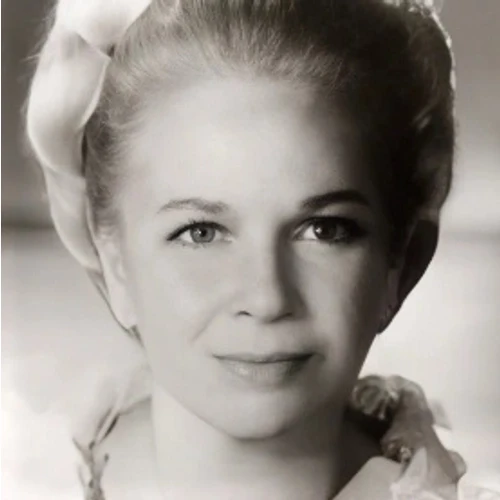
Aleen Leslie
In the vibrant landscape of mid-20th century entertainment, Aleen Leslie emerged as a versatile and innovative screenwriter who left an indelible mark on radio, film, and television. Her remarkable career spanned multiple decades, showcasing her exceptional ability to capture the spirit of youth culture and translate it across various media platforms.
Early Life and Roots in Pittsburgh
Born Aleen Wetstein on February 5, 1908, in Pittsburgh, Pennsylvania, Leslie came from a working-class background. Her father, Nat Wetstein, was a traveling salesman, and her mother, Eugenie Mandel, worked as a dressmaker. Despite beginning her education at Ohio State University, Leslie's academic journey was interrupted by the economic challenges of the Great Depression . Her early professional path took an unexpected turn when she became a secretary and began writing a weekly column called "One Girl Chorus". This initial writing experience would prove to be a pivotal moment in her career, setting the stage for her future success in entertainment .
Breaking into Hollywood and Radio Entertainment
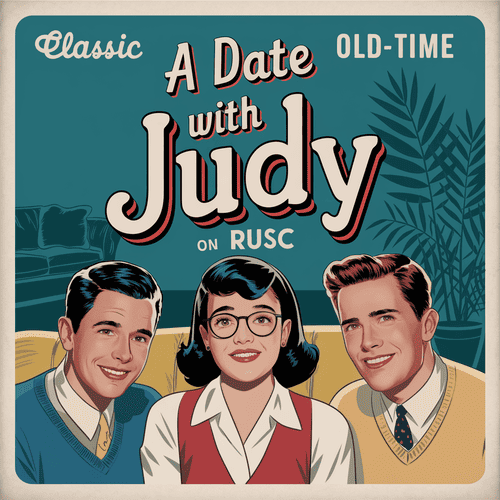
In the late 1930s, Leslie made a decisive move to Hollywood, determined to establish herself in the entertainment industry. By 1938, her persistence paid off when she secured a position and received her first screen credit for a comedy short, The Nightshirt Bandit . Her breakthrough came with the development of a radio domestic comedy that she adapted across multiple entertainment formats, demonstrating her remarkable versatility . After marrying Jacques Leslie in 1941, she began using her married name professionally. Her success with A Date with Judy enabled her to build a career specializing in teen-driven entertainment, a niche she would become renowned for .
A Multifaceted Creative Career
Leslie's creative talents extended far beyond radio. She wrote stories and screenplays for Columbia Pictures through 1941, briefly returning in 1949. Her ability to adapt her work across different media was extraordinary - she transformed her content into theatre, film, television, and even comic books . Notably, she submitted a story in 1938 that was eventually filmed in 1943, showcasing her long-term vision and patience in the entertainment industry . Her last screen credit came in 1956 with Pardon My Nightshirt, a short film based on her original 1938 script .
Legacy and Impact
By the time of her passing on February 2, 2010, at the age of 101, Aleen Leslie had become the oldest member of the Writers Guild of America-West. Her career was a testament to her creativity, adaptability, and understanding of youth culture during a transformative period in American entertainment . Beyond her professional achievements, Leslie was also a novelist, having authored works like The Windfall, further demonstrating her wide-ranging creative talents .
Works and Appearances
Radio
- A Date with Judy (Adaptation and development)
Film
- The Nightshirt Bandit (1938)
- A Date with Judy (1940)
- Pardon My Nightshirt (1956)
Novels
- The Windfall
Other Writing
- "One Girl Chorus" weekly column
- Various plays and screenplays for Columbia Pictures
Aleen Leslie's journey from a young columnist to a versatile entertainment professional represents the dynamic creative spirit of mid-20th century American media. Her ability to understand and translate youth culture across multiple platforms made her a unique and influential figure in entertainment history.