Wonderful Smith
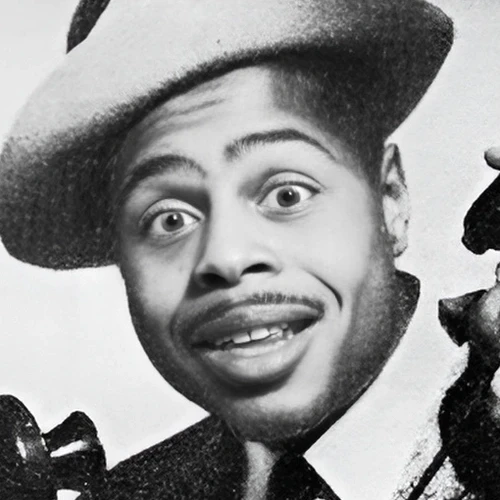
Wonderful Smith may not be a household name today — but in the golden age of radio, his distinctive voice, comedic timing, and larger-than-life personality made him one of the medium’s most memorable character actors. Between radio drama and stand-up, he carved out a singular career that blended humor, talent, and authenticity, leaving a legacy worth revisiting.
Early Life and Background
Wonderful Smith was born on August 17, 1911, in Los Angeles, California. From early on, he felt drawn to performance and comedy — qualities that would later define his work in radio and stage. His birth name (and the origin of his unique first name) helped him stand out in an entertainment world hungry for distinctive personalities. Although records of his earliest career are sparse, Smith’s charisma and aptitude for humor propelled him into vaudeville and variety-show circuits before he turned to radio. This early experience on stage honed his comedic instincts and gave him the timing and presence required for the fast-paced world of radio broadcasting.
Entry Into Radio and Early Breakthroughs
Smith transitioned into radio as the medium matured and expanded in the 1930s and 1940s. His big break came when he landed a spot on Amos 'n Andy, one of the most popular and widely heard radio programs of the era. On Amos ’n Andy, Smith played the role of The Kingfish’s manservant, a character that allowed him to showcase not only his comedic gifts but also a flexibility with voice and delivery that made him stand out among the show’s ensemble. His success on Amos ’n Andy opened many doors. Smith’s voice — at once expressive, warm, and sometimes sardonic — became one of the more recognizable in a medium defined by sound alone. Producers and writers frequently called on him for guest roles, and he quickly became known for his ability to deliver lines with impeccable timing, adding both humor and humanity to his parts.
Style, Persona, and Range
What made Wonderful Smith special was his versatility and authenticity. He could carry a comedy bit for laughs, but he could just as easily lend depth to dramatic or semi-dramatic radio scripts. His background in vaudeville gave him the ability to physically inhabit characters — an asset even when only his voice was heard. Smith’s comedic style relied heavily on a mixture of timing, vocal inflection, and attitude. When playing servants, side-characters, or supporting roles, he often used a sly wit or a playful cynicism that undercut clichés and created memorable performances. Unlike some of his contemporaries, he rarely defaulted to broad stereotypes; instead, his portrayals felt grounded, human, and often surprisingly nuanced. Even though full logs of every performance are not preserved, anecdotal accounts and contemporary reviews suggest that Smith was in demand — not just for comic relief, but for roles requiring subtlety, pacing, and a presence that could hold its own alongside leading actors.
Transition to Film and Other Media
While radio remained Smith’s primary home, he also ventured into film and elsewhere when opportunities arose. In 1945, he appeared in the film It’s in the Bag!, credited as “Wonderful Smith.” This appearance allowed him to bring his radio-honed voice and personality to the silver screen, reaching audiences who might not have heard him over the airwaves. Smith’s crossover into film reflected both the opportunities and limitations of the time. Roles for African-American actors were often limited and stereotyped — but Smith’s unique voice and comedic reputation gave him a certain agency. Even a small film part carried weight when audiences already recognized the performer from their radios.
Legacy and Significance in Radio History
Wonderful Smith represents an important thread in the tapestry of American radio history — as a performer whose presence spoke to the power of voice, originality, and the ability to transcend traditional boundaries. In a medium where race, casting, and representation were complicated and often problematic, Smith’s visibility on a show as prominent as Amos ’n Andy symbolized both opportunity and controversy. His legacy lies not only in his recorded performances but also in the example he set for other performers of color — demonstrating that humor, talent, and character could carve out a place even in a segregated entertainment industry. Moreover, his ability to cross from vaudeville to radio, and from radio to film, illustrates the fluidity of mid-20th-century American entertainment, and how flexible, multi-talented performers could navigate it. Even if modern audiences seldom recognize his name, the echoes of his voice live on in archival recordings, histories of radio comedy, and the memory of an era when radio remained a dominant force in American homes.
Works and Appearances
Radio
- Amos ’n Andy
Film
- It’s in the Bag! (1945)