William Spier
From the shadows of New York to the sound-proofed studios of Hollywood, William Spier emerged as one of radio’s most innovative and influential creative forces. As writer, producer, and director, he shaped some of the medium’s defining programs — earning a reputation for crafting suspense, drama, and atmosphere like few others. His deft command of narrative, sound design, and talent made him a cornerstone of American radio drama in the mid-20th century.
Early Life and Career Beginnings
William Hannan Spier was born on October 16, 1906, in New York City. He graduated from Evander Childs High School, and his first foray into the arts came not through acting but through music and criticism: at age 19 he landed a job at Musical America magazine, eventually rising to become its chief critic. That early exposure to music and critical analysis helped shape his ear for sound and storytelling. In 1929, Spier transitioned from criticism to production when he joined the advertising agency Batten, Barton, Durstine & Osborn (BBDO). There he began producing and directing radio shows — a turning point that marked his entry into the broadcast industry. From these beginnings in music journalism and commercial radio, Spier developed a unique sensibility that combined dramatic ambition with a keen musical and auditory awareness — a combination that would prove essential to his later work in suspense and anthology radio drama.
Master of Radio Suspense: Vision & Style
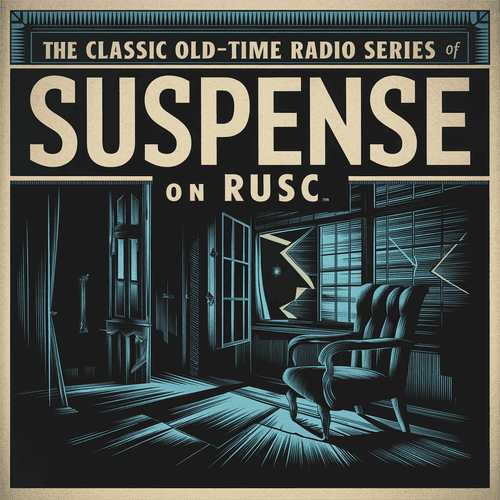
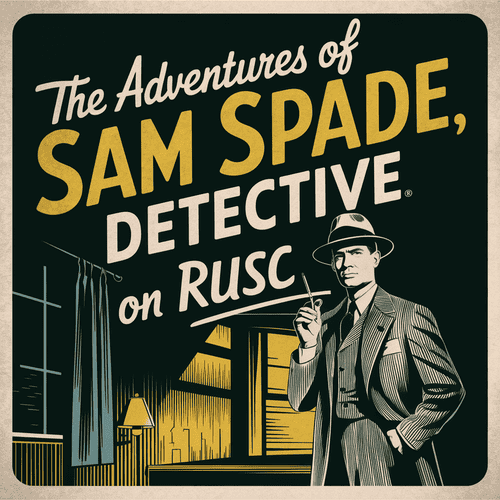
By the early 1940s, Spier had ascended to a position of influence at CBS, becoming chief of the writers’ department and director of program development. Around this time, he took the helm of his most famous project: Suspense. As co-director, co-producer, and occasional writer, he established a template for high-quality, tightly written radio drama. Spier insisted on realistic situations, tightly wound plots, and atmospheric sound design. He often screened big-name Hollywood stars for radio roles under his direction — from veteran character actors to rising screen stars — bringing a cinematic sensibility to the earwaves. Under his guidance, Suspense became known as “radio’s outstanding theatre of thrills,” thrilling listeners with dramatic tension, surprise endings, and evocative soundscapes. Beyond Suspense, Spier expanded his crime and mystery credentials by producing The Adventures of Sam Spade, based on the hardboiled detective created by Dashiell Hammett. He maintained a stable of dependable radio actors — utility voices who could realize his vision for realism and tension. His background in music helped too: as a pianist and composer, Spier understood how music, silence, and sound effects could enhance mood, suspense, or emotional weight.
Expanding the Medium: Anthologies, Innovation, and Television Transition
Spier’s ambition went beyond a single series. He directed and produced anthology shows such as Philip Morris Playhouse, where each broadcast could bring a new story, tone, and cast. He also produced numerous other radio programs including opera-style hours like The Atwater Kent Hour, variety programs, and dramatic specials, demonstrating his versatility and commitment to quality programming. With the rise of television, Spier transitioned into the visual medium. In 1952, he introduced Omnibus, television’s first 90-minute show. He went on to produce Medallion Theatre (1953–54) and, with collaborator Louis Pelletier, helped create Willy (1954–55), a sitcom starring actress June Havoc. Later in his career, he contributed as a writer for acclaimed crime and drama series such as The Lineup, Peter Gunn, and The Untouchables; notably, his two-part script “The Unhired Assassin” earned him a Writers’ Guild of America award. Spier even ventured into film: in 1954 he co-directed Lady Possessed, starring James Mason and June Havoc, and penned the screenplay for Tam-Lin (1970), demonstrating his creative reach beyond radio and television.
Personal Life, Recognition, and Final Years
Spier’s personal life interwove with his professional world. He was married three times: first to Mary Scanlan (1929–1939), with whom he had three children; then to singer–actress Kay Thompson (1942–1947); and finally to actress June Havoc, whom he married in 1948 and remained with until his death. Through these relationships he crossed paths with many prominent figures — his sister-in-law by marriage to Thompson was the famed entertainer Gypsy Rose Lee. Spier died on May 30, 1973, in Weston, Connecticut, at the age of 66. His influence, however, persisted — colleagues, historians, and fans alike regard him as a master craftsman whose insistence on narrative and production quality helped define a golden age of radio drama. His work earned accolades for excellence: under his stewardship, The Adventures of Sam Spade won the Mystery Writers of America Award for best radio drama, while Suspense received a Peabody Award (honorable mention) in 1946.
Works and Appearances
Radio
- The Atwater Kent Hour
- General Motors’ Family Party, Ethyl Tune-Up Tim
- The March of Time
- Suspense
- The Adventures of Sam Spade
- Philip Morris Playhouse
- Additional anthology & variety programs
Television
- Omnibus — Introducer / Producer (1952)
- Medallion Theatre — Producer (1953–1954)
- Willy — Co-creator, Producer, Writer (1954–1955)
- Writer for The Lineup, Peter Gunn, The Untouchables
Film
- Lady Possessed (1954)
- Tam-Lin (1970)