William Lundigan
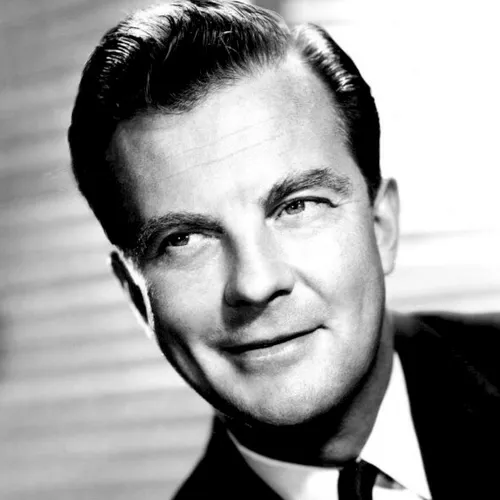
William Lundigan: From Radio to Hollywood Leading Man William Lundigan was a prominent American actor whose career spanned radio, film, and television. Known for his affable presence and reliable performances, Lundigan became a familiar face and voice in mid-20th century American entertainment. He navigated the shifting landscape of popular media with skill, transitioning from radio and stage beginnings to a prolific Hollywood career. His work reflects the era’s versatility demands for actors, who were expected to perform across multiple platforms.
Early Life and Background
William Lundigan was born on February 12, 1914, in Hartford, Connecticut, U.S. Growing up in a period of technological and cultural transformation, Lundigan was exposed early to both stage performance and emerging broadcast media. While details of his family and formal education are limited, it is clear that he cultivated a strong interest in acting from a young age, which would later shape his career in radio and film. Before entering professional entertainment, Lundigan attended College of the Holy Cross in Massachusetts, where he participated in theatrical productions. This collegiate experience honed his stage presence and prepared him for the challenges of professional acting. His early grounding in live performance would prove invaluable as he moved into radio, where vocal delivery and timing were crucial for engaging audiences.
Radio and Entry Into Entertainment
Lundigan began his professional career in radio, a dominant medium of the 1930s and 1940s. His early radio work allowed him to refine his vocal techniques and develop a natural rapport with listeners. This experience provided a foundation for his later screen work, as the skills required to convey emotion and character through voice alone translated seamlessly to film acting. Although specific radio programs are not extensively documented on Wikipedia, Lundigan’s time in radio positioned him for a transition to Hollywood. His clear diction, authoritative yet warm voice, and ease with dialogue made him well-suited for the leading-man roles that would define his cinematic career. Radio also allowed Lundigan to network with writers, directors, and fellow actors, establishing the professional relationships that would facilitate his move into film.
Film Career and Notable Roles
Lundigan’s film career took off in the late 1930s and early 1940s. He signed with Warner Bros. and later 20th Century Fox, appearing in a mix of supporting and leading roles. He became known for his charm, reliability, and versatility, often cast as the all-American hero in dramas, comedies, and war films. Notable films in his career include The Story of Dr. Wassell (1944), in which he portrayed a compassionate and heroic figure during wartime, and Love and Learn (1947), demonstrating his capability in romantic comedy. His performances combined sincerity with charisma, creating characters that were both relatable and aspirational for contemporary audiences. Lundigan’s adaptability allowed him to take on diverse genres, ranging from action to romance, consistently delivering performances that met studio and audience expectations.
Transition to Television and Later Work
As television emerged as a dominant medium in the 1950s, Lundigan successfully transitioned to the small screen. He appeared in numerous TV programs, often as the leading man, and later hosted series, leveraging his on-screen experience and radio-honed vocal skills. His television work included roles in anthology dramas and guest appearances in popular shows, allowing him to maintain visibility and relevance in the rapidly changing entertainment industry. Lundigan’s later career also included hosting duties for programs like Climax! and other televised anthologies, where he combined his affable personality with professionalism. This period of his career highlighted his ability to adapt to new formats while retaining the qualities that made him popular on film: charm, relatability, and a strong work ethic.
Legacy and Impact
William Lundigan passed away on October 14, 1975, leaving behind a body of work that spanned multiple decades and media. His legacy is that of a versatile performer who successfully navigated the transition from radio to film and television, embodying the ideal of the dependable leading man in mid-century American entertainment. Lundigan’s career demonstrates the importance of adaptability and skill in multiple media, providing a model for actors facing the evolving demands of performance across platforms. Though he may not have attained the legendary status of some contemporaries, his consistent professionalism, appealing screen presence, and contributions to radio and television reflect a significant impact on mid-20th century American culture.
Works and Appearances
Radio
- Screen Guild Players ("Apartment for Peggy") 1951
- Stars in the Air ("Deep Waters") 1952
Film
- The Story of Dr. Wassell (1944)
- Love and Learn (1947)
- The Great Sioux Uprising (1953)