Walter Slezak
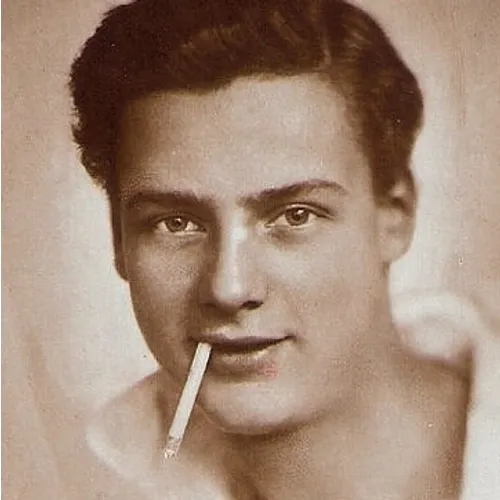
Walter Slezak stands as one of radio's most distinctive character actors, bringing a particular blend of urbane charm and cunning sophistication to countless broadcast performances. Though his voice became familiar to millions through the speakers of American homes during radio's golden age, Slezak's career extended far beyond the microphone, encompassing film, theater, and television across a career spanning more than five decades. His appearances on major radio programs established him as a reliable presence in the medium, while his characteristic portrayal of wily, philosophical characters with refined tastes created a persona that audiences came to recognize and appreciate.
From Vienna to the American Airwaves
Walter Slezak entered the world on May 3, 1902, in Vienna, Austria, born into a family already steeped in performance traditions. His father, Leo Slezak, was a celebrated opera tenor whose own career would inadvertently provide the title for Walter's later autobiography. The young Slezak pursued an unconventional path before finding his calling in entertainment, studying medicine briefly before working as a bank teller—a far cry from the glamorous stages and studios he would eventually dominate. Despite this practical start, his friend and fellow Austrian Michael Curtiz convinced him to take his first film role in the 1922 Austrian production Sodom und Gomorrah, launching a career that would span continents and decades. Slezak initially built his reputation in German cinema during the silent film era, when his slimmer physique allowed him to play leading man roles. However, as he matured, he discovered that his particular talents aligned more naturally with character work. His transition to the American entertainment industry came in 1930, when he made the significant decision to migrate to the United States. This move proved pivotal; while his early years in America saw him working extensively on stage, including his 1931 Broadway debut, radio would become one of his primary vehicles for reaching audiences during the 1940s and 1950s.
A Regular on Radio's Greatest Programs
Slezak's radio career positioned him among the medium's most reliable and respected performers. He appeared regularly on Lux Radio Theater, one of broadcasting's most prestigious dramatic anthology series, lending his distinctive voice and comedic timing to various productions. Beyond Lux, he became a familiar presence on Columbia Workshop, a program known for experimental and innovative dramatic presentations, as well as The Pepsodent Show, which combined comedy and variety entertainment. His appearances on The Charlie McCarthy Show, the enormously popular comedy-variety program hosted by ventriloquist Edgar Bergen, showcased his ability to hold his own in comedic situations alongside some of radio's biggest names. What distinguished Slezak's radio work was his particular gift for bringing depth to character roles. The medium's emphasis on vocal performance meant that Slezak's cultured Austrian accent and his ability to convey complexity through tone and inflection made him exceptionally valuable to producers. Unlike actors confined to a single character or type, Slezak demonstrated remarkable range, moving between dramatic roles, comedic turns, and sophisticated character work with equal facility. His regular appearances on these major programs during radio's peak years established him as someone audiences could trust to elevate any production with his presence.
The Metropolitan Opera and Cultural Refinement
Beyond commercial radio entertainment, Slezak's cultural interests extended to opera broadcasting, where he participated as a guest panelist on the Metropolitan Opera radio broadcasts. During Edward Downes's tenure as host from 1958 to 1960, Slezak appeared alongside fellow actor Tony Randall and various musicians and critics, engaging audiences in the quiz segment that had become a beloved tradition of the broadcasts. These appearances reflected both his genuine appreciation for operatic art—a natural inheritance given his father's profession—and his stature as a respected cultural figure. This engagement with opera was not merely ceremonial. In 1959–1960, Slezak appeared at the Metropolitan Opera itself in Johann Strauss's operetta Der Zigeunerbaron, taking on a performing role rather than merely appearing as a celebrity guest. Later, in the 1970s, he returned to operatic performance, playing the non-singing role of Frosch, the jailer, in the San Francisco Opera production of Die Fledermaus. These credits reveal a performer who maintained connections to live performance even as he became known for recorded and broadcast work.
Transition Beyond Radio
While Slezak maintained his radio presence throughout the 1940s and 1950s, his career increasingly expanded into film and television. His first American film, Once Upon a Honeymoon (1942), paired him with major stars Ginger Rogers and Cary Grant, immediately establishing his credentials in Hollywood. Over the next several decades, he appeared in over 100 films, often cast as the sophisticated villain or morally ambiguous character that became his trademark. In Alfred Hitchcock'sLifeboat (1944), he played a German U-boat captain with such memorable cunning that the role became iconic. His performances in film noir classics like Born to Kill (1947) and Cornered (1945) demonstrated his particular aptitude for playing shrewd, unscrupulous characters. Slezak's theatrical achievements culminated in winning the Tony Award for Best Actor in a Musical for his leading role in the Broadway musical Fanny, representing the pinnacle of recognition in live performance. Television also became a significant outlet for his talents; he made numerous appearances in programs like The Loretta Young Show, This Is Show Business, and Playhouse 90. In 1966, he achieved particular fame playing The Clock King in two episodes of the Batman television series, introducing his distinctive villainy to a new generation of viewers. An unsold television pilot called Slezak and Son aired in 1960 as part of the New Comedy Showcase anthology series, representing one of his attempts to transition into television during the medium's early years.
Legacy and Impact
Walter Slezak's passing on April 21, 1983, at the age of eighty, concluded a career that had touched nearly every form of entertainment available during his lifetime. His particular talent lay in creating characters of complexity and dimensionality—figures who were never simply good or bad, but rather philosophical rogues with appetites for life's finer experiences. He published his autobiography, What Time's the Next Swan?, in 1962, offering insight into both his own journey and the entertainment world of his era. The title's reference to a supposed incident in his father's operatic career provided an elegant connection between generations of performers. Though Slezak achieved perhaps his greatest fame through film and television, his radio work represented a crucial chapter in his professional development and in broadcasting history itself. He embodied the golden age radio actor—versatile, cultured, technically skilled, and capable of bringing authenticity to roles both comedic and dramatic. His contributions to programs like Lux Radio Theater, Columbia Workshop, and The Pepsodent Show helped define those broadcasts' quality and appeal. With his son Leo also pursuing entertainment and his daughter Erika becoming an Emmy-winning actress who would star in One Life to Live for over four decades, Slezak left a family legacy in performance that extended well beyond his own distinguished career.
Works and Appearances
Radio
- Lux Radio Theater (1940s-1950s)
- Columbia Workshop (1940s-1950s)
- The Pepsodent Show (1940s-1950s)
- The Charlie McCarthy Show (1940s-1950s)
- Metropolitan Opera radio broadcasts (1958-1960)
Theater
- Broadway debut (1931)
- Fanny (Broadway musical)
- Der Zigeunerbaron (1959-1960)
- Die Fledermaus (1970s)
Cinema
- Sodom und Gomorrah (1922)
- Addio giovinezza (1927)
- Once Upon a Honeymoon (1942)
- This Land Is Mine (1943)
- The Fallen Sparrow (1943)
- Lifeboat (1944)
- The Princess and the Pirate (1944)
Television
- The Loretta Young Show
- This Is Show Business
- Playhouse 90
- Studio One
- Slezak and Son (1960)
- Batman (1966)
Books/Publications
- What Time's the Next Swan? (1962)