Wallace Beery
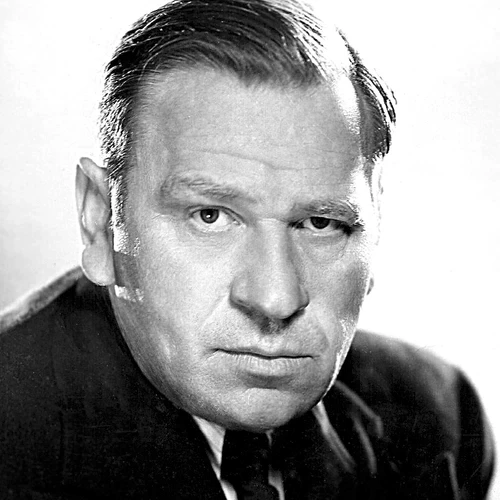
Wallace Beery was a towering figure in American entertainment, whose deep voice and commanding presence left an indelible mark on both the silver screen and the airwaves. While best known for his Academy Award-winning film roles and his status as the highest-paid actor in the world during the early 1930s, Beery also brought his unique talents to the world of old-time radio. His transition from stage and film to radio broadcasting was a natural progression for an actor whose resonant voice and dramatic flair captivated audiences across multiple media. This article explores Beery’s journey into radio, his notable contributions, and the legacy he left behind.
Early Life and Background
Wallace Fitzgerald Beery was born on April 1, 1885, and began his career in entertainment far from the world of radio. He first gained experience as an elephant trainer with the Ringling Brothers Circus, a job that honed his discipline and showmanship. In 1904, Beery moved to New York City to join his older brother, actor Noah Beery, and found work in comic opera as a baritone. His early stage career included appearances on Broadway and in summer stock theatre, with his most notable early role being the lead in The Yankee Tourist in 1907. These formative years in live performance gave Beery a strong foundation in timing, delivery, and audience engagement—skills that would serve him well in radio. Beery’s transition from stage to film began in 1913 when he joined Essanay Studios in Chicago. He quickly became known for his comedic roles, including the popular Sweedie series, and later shifted to more dramatic and villainous parts. His versatility as an actor allowed him to thrive in both silent and sound films, and by the 1930s, he was a major star at Metro-Goldwyn-Mayer. Beery’s experience in front of the camera and on stage made him a natural fit for the emerging medium of radio, where his voice could reach audiences in a new and intimate way.
Entry Into Radio
Wallace Beery’s entry into radio broadcasting was a logical extension of his film career. As sound technology advanced and radio became a dominant form of entertainment, Beery’s deep, resonant voice was perfectly suited for the medium. His first major radio appearance was on the Lux Radio Theater on November 13, 1939, where he starred in a retrospective dedicated to the career of director King Vidor. This broadcast showcased Beery’s ability to adapt his film performances for the radio audience, bringing his dramatic intensity and vocal presence to the airwaves. Beery’s radio work was not limited to dramatic readings or adaptations of his films. He also participated in variety shows and special broadcasts, often drawing on his experience as a comedian and character actor. His performances on radio allowed him to reach a broader audience and maintain his popularity during a time when the entertainment industry was rapidly evolving. Beery’s ability to connect with listeners through his voice and personality made him a sought-after guest on many radio programs.
Notable Radio Shows and Characters
Wallace Beery’s most notable radio appearance was on the Lux Radio Theater, where he brought his film roles to life for radio audiences. The Lux Radio Theater was one of the most prestigious radio programs of its time, known for its high-quality productions and star-studded casts. Beery’s participation in the show’s retrospective on King Vidor’s career was a highlight of his radio work, demonstrating his ability to adapt his film performances for the radio medium. In addition to his work on the Lux Radio Theater, Beery appeared on other radio programs that showcased his range as an actor. His performances often featured his signature blend of humor and drama, making him a favorite among radio listeners. Beery’s ability to create memorable characters through his voice alone set him apart from many of his contemporaries and helped to establish him as a leading figure in old-time radio.
Broadcasting Style and Signature Techniques
Wallace Beery’s broadcasting style was characterized by his deep, resonant voice and his ability to convey emotion and drama through vocal performance. His experience in both comedy and drama allowed him to bring a wide range of characters to life on the radio, from lovable rogues to menacing villains. Beery’s timing and delivery were honed through years of stage and film work, making his radio performances both engaging and memorable. One of Beery’s signature techniques was his use of vocal inflection to create distinct characters and convey complex emotions. His ability to shift from a gruff, commanding tone to a warm, humorous one made him a versatile performer on the radio. Beery’s performances often featured a blend of humor and pathos, reflecting his skill as a character actor. His presence on the airwaves was marked by a sense of authenticity and connection with his audience, qualities that made him a beloved figure in old-time radio.
Legacy and Influence
Wallace Beery’s legacy in old-time radio is a testament to his versatility and enduring appeal as an entertainer. His ability to adapt his film performances for the radio medium and his skill in creating memorable characters through vocal performance set a high standard for radio actors. Beery’s work on the Lux Radio Theater and other programs helped to elevate the status of radio as a serious art form and demonstrated the power of the human voice in storytelling. Beery’s influence can be seen in the many radio actors who followed in his footsteps, drawing inspiration from his blend of humor and drama and his mastery of vocal technique. His contributions to old-time radio helped to shape the medium and left a lasting impact on the world of broadcasting. Wallace Beery’s legacy as a radio personality is a reminder of the enduring power of voice and performance in connecting with audiences across generations.
Works and Appearances
Radio
- Lux Radio Theater (1939) – Retrospective on King Vidor’s career
Cinema
- The Big House (1930) – Butch
- Min and Bill (1930) – Bill
- Grand Hotel (1932) – General Director Preysing
- The Champ (1931) – Title role (Academy Award for Best Actor)
Theater
- The Yankee Tourist (1907)
- The Belle of the West (1905) –
Other Media
- Elephant trainer for Ringling Brothers Circus