W C Fields
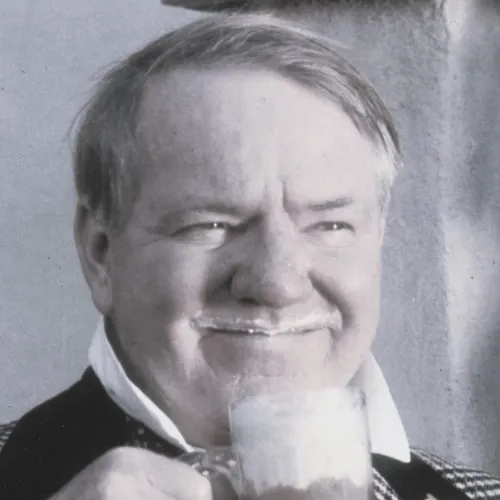
W. C. Fields was an American comedian, actor, juggler, and writer whose unique style of humor, sardonic wit, and larger-than-life personality made him one of the most memorable figures of early 20th-century entertainment. With a career spanning vaudeville, Broadway, radio, and Hollywood films, Fields created a distinct comedic persona characterized by cynicism, verbal dexterity, and a penchant for lampooning social pretensions.
Early Life and Beginnings in Vaudeville
William Claude Dukenfield, known professionally as W. C. Fields, was born on January 29, 1880, in Philadelphia, Pennsylvania. The youngest of six children, he experienced a challenging childhood marked by his mother’s death when he was young, after which he was primarily raised by his father. Fields initially worked in circuses, carnivals, and as a juggler and stage performer, honing his skills as a vaudeville entertainer. He became widely recognized for his dexterity with juggling, developing a reputation as one of the premier vaudeville comic jugglers of his time. By the 1910s, Fields was performing in theater and vaudeville circuits across the United States, gradually incorporating his trademark sardonic humor into his routines.
Stage, Vaudeville, and Early Screen Work
In the 1910s and 1920s, Fields expanded his stage career, performing in Broadway productions and revues. He became known for his sharp-tongued comic persona, often portraying misanthropic, hard-drinking, and self-serving characters. His act combined physical comedy, verbal wit, and exaggerated characterization, which resonated with audiences seeking escapism during the social upheavals of the early 20th century. Fields began appearing in silent films in the 1910s and 1920s, but his comedic style truly flourished with the advent of sound in cinema. He brought his vaudeville sensibilities to the screen, blending timing, delivery, and grotesque characterizations to create a unique brand of humor that was instantly recognizable.
Hollywood Stardom
W. C. Fields became a major film star in the 1930s, often playing curmudgeonly characters who resisted societal norms while scheming to get ahead or avoid responsibility. Notable films included The Fatal Glass of Beer (1933), a parody of melodrama, and It's a Gift (1934), which is widely regarded as one of his finest film performances. Throughout his career, Fields frequently portrayed characters with cynical attitudes toward family, authority, and social institutions, yet his humor was often tempered with a playful, absurdist edge. Other notable films included My Little Chickadee (1940), co-starring Mae West, The Bank Dick (1940), and Never Give a Sucker an Even Break (1941). Fields’ films were a combination of verbal wordplay, physical comedy, and memorable one-liners, helping define a style that influenced later generations of comedians.
Radio and Personal Life
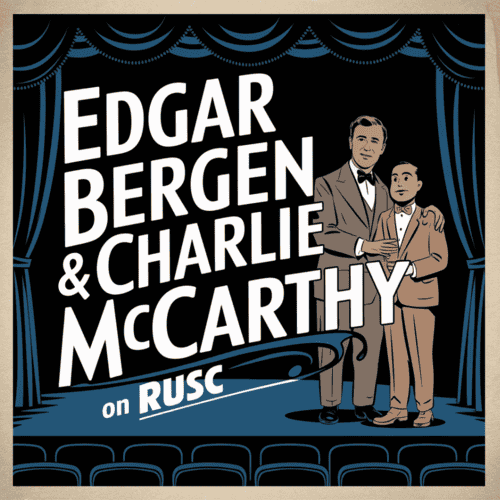
In addition to his stage and film work, Fields appeared on radio programs, bringing his unique humor to a national audience. His broadcasts preserved his comic timing and voice, further establishing him as a versatile entertainer across multiple media. Fields’ personal life was marked by complexity. Known for his love of alcohol and gambling, he maintained a public persona that often mirrored his on-screen misanthropy. He married Harriet Hughes in 1924, and they had a daughter, Barbara. Despite his cantankerous public image, he was also known to be generous to friends and charitable causes.
Legacy and Influence
W. C. Fields died on December 25, 1946, in Pasadena, California, at the age of 66. His legacy endures as one of America’s most distinctive comedians, whose work in vaudeville, film, and radio showcased a combination of physical skill, sharp wit, and a satirical edge. His influence is evident in the works of later comic actors who embraced anti-heroic, sarcastic, or absurdist humor. Fields’ persona — a blend of cynicism, charm, and grotesque humor — remains iconic in the history of American comedy.
Works and Appearances
Radio
- The Chase and Sanborn Hour
- Edgar Bergen & Charlie McCarthy)
Film
- The Fatal Glass of Beer (1933)
- It's a Gift (1934)
- Alice in Wonderland (1933) – Narrator for select segments
- My Little Chickadee (1940) – Co-star with Mae West
- The Bank Dick (1940)
- Never Give a Sucker an Even Break (1941)
- Additional films throughout the 1930s and 1940s featuring his comedic persona