Ted Malone
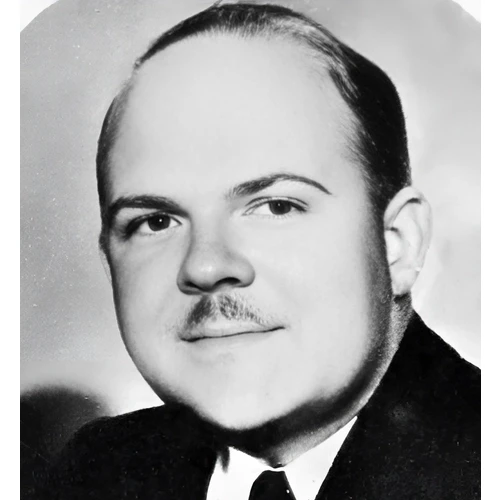
Ted Malone, born Frank Alden Russell on May 18, 1908, in Colorado Springs, Colorado, became one of America’s most beloved radio personalities, widely celebrated for his poetic storytelling and intimate broadcasting style. Over a career spanning more than four decades, Malone brought poetry and human interest stories into the homes of countless Americans, earning him the affectionate title “The Voice of Poetry.” His influence on radio, poetry, and American culture remains notable even decades after his passing on October 20, 1989.
Early Life and Background
Ted Malone was the son of Frank Arthur Russell, a minister, and Grace Aurora Gunter Russell. He grew up in a family that valued education and communication, which would later inform his unique storytelling style. Malone developed an early interest in oral performance during his high school years in Missouri, showcasing a natural talent for engaging an audience. In college, he became an accomplished debater and graduated from William Jewell College in 1928, further honing his skills in public speaking and persuasion. Malone’s early exposure to literature and performance cultivated a lifelong appreciation for poetry, though he initially approached it with some skepticism, joking that he considered poetry “sissy stuff.” Despite this, he recognized the power of words in connecting people, a principle that would define his radio career.
Entry Into Radio
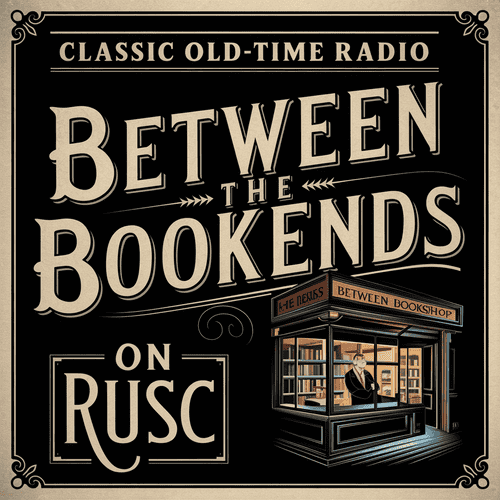
Malone began his radio career in 1929 at KMBC in Kansas City, Missouri, working as an announcer and ukulele soloist. His entry into radio poetry came somewhat serendipitously: when scheduled performers failed to appear, Malone was asked to fill the airtime by reading poetry. To avoid embarrassment, he adopted the pseudonym Ted Malone, and the audience’s positive response solidified his path as a radio poet and storyteller. He launched the iconic program Between the Bookends, which aired on the CBS radio network starting in 1935 and continued for thirty years. The show featured daily poetry readings, listener contributions, and intimate musings, offering Americans a rare space for reflection and literary appreciation amidst the bustling pace of the 1930s and 1940s. Malone often stated, “I never prepare a program. I just get before a microphone and talk and talk and talk. What about? Oh, just small talk on anything that occurs to me.”
Notable Radio Shows and Contributions
Between the Bookends became Malone’s signature program, earning extraordinary listener loyalty. During its first year, it reportedly received more fan mail than any other network sustaining program. Malone actively encouraged listeners to submit their poetry, which he published in anthologies like Ted Malone’s Scrapbook. He also edited poetry columns for publications such as Radio Mirror and Good Housekeeping, fostering a broad community of amateur and professional poets. In addition to his poetry program, Malone expanded his repertoire during World War II, producing human interest broadcasts from military fronts and participating in variety and quiz shows. He briefly served as a war correspondent, providing uplifting stories about soldiers’ experiences to listeners back home. This period showcased his versatility and cemented his reputation as a broadcaster who could blend artistry with journalistic integrity.
Broadcasting Style and Legacy
Malone’s broadcasting style was distinctive: warm, approachable, and conversational, akin to a friendly neighbor stopping by for a chat. This style, combined with his commitment to listener participation, made poetry accessible and engaging to a wide audience. His early organist collaborator, Hugh Studebaker, complemented Malone’s readings, while his influence extended to other performers, including Ernie Kovacs, whose character Percy Dovetonsils was inspired by Malone’s approach. By the 1950s, Malone had established Ted Malone Productions, offering production and consultation services to radio, television, and film industries. Though he partially retired in the 1970s, his legacy endured through preserved scripts, anthologies, and the impact he had on the popular appreciation of poetry. The University of Missouri–Kansas City maintains the Ted Malone Collection, which includes thousands of scripts, poems, photographs, and other materials documenting his career.
Recognition and Personal Life
Ted Malone received widespread recognition for his contributions to broadcasting and literature. He earned a star on the Hollywood Walk of Fame at 1628 Vine Street in 1960, commemorating his achievements in radio. Known for his gentle, personable nature, Malone inspired listeners and colleagues alike, leaving an indelible mark on American cultural life. He passed away on October 20, 1989, at the age of 81, leaving behind a legacy of more than sixty years in broadcasting. Malone’s work exemplified the power of radio to educate, entertain, and connect people through words, and his influence continues to resonate with scholars and enthusiasts of radio history.
Works and Appearances
Radio
- Between the Bookends (1935–1965) – Host, reader of poetry and human interest stories
- Variety shows and quiz broadcasts during World War II – Host, war correspondent
Publications
- The American Album of Poetry (1938)
- A Listener's Aid to Pilgrimage of Poetry (1939)
- Ted Malone's Mansions of Imagination Album (1940)
- Ted Malone's Scrapbook (1941)
- American Pilgrimage (1942)
Ted Malone’s enduring appeal lies in his ability to bridge the gap between high culture and popular entertainment, making poetry an intimate and beloved part of American daily life.