Stanley Andrews
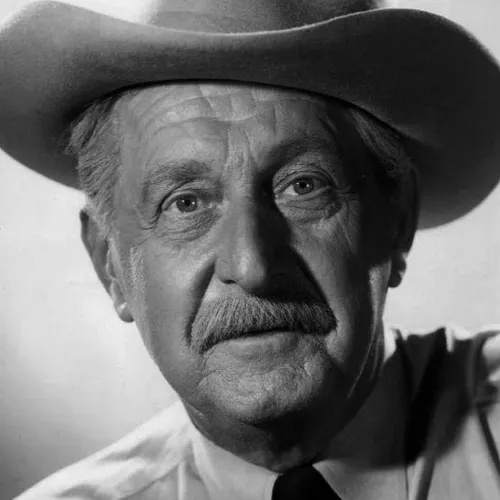
Stanley Martin Andrews, born Stanley Martin Andrzejewski on August 28, 1891, in Chicago, Illinois, was a versatile American actor whose career spanned radio, film, and television. Best known as the voice of Daddy Warbucks on Little Orphan Annie and the first host of the syndicated television series Death Valley Days, Andrews became a familiar presence in mid-20th century American entertainment. His work bridged the golden age of radio and the rise of television, leaving a lasting imprint on the Western genre and serialized storytelling.
Early Life and Theatrical Roots
Andrews grew up in Chicago, where he later began his journey in the performing arts. He entered stock theater early in his career, honing his craft in companies that demanded versatility. In a 1957 interview, he recalled that performing in Minneapolis in 1916—where the troupe presented a different play every week for an entire year—gave him the confidence and stamina to pursue a sustained career in acting. This experience in live theater shaped his ability to inhabit varied characters, a skill that would serve him well in radio and film. His early years were marked by a dedication to the discipline of live performance, a grounding that allowed him to adapt seamlessly to the emerging medium of radio. The rigorous pace of weekly repertory theater instilled in Andrews not only resilience but also a deep understanding of timing and audience engagement, crucial for the serialized narratives he would later help popularize.
Entry Into Radio and Iconic Roles
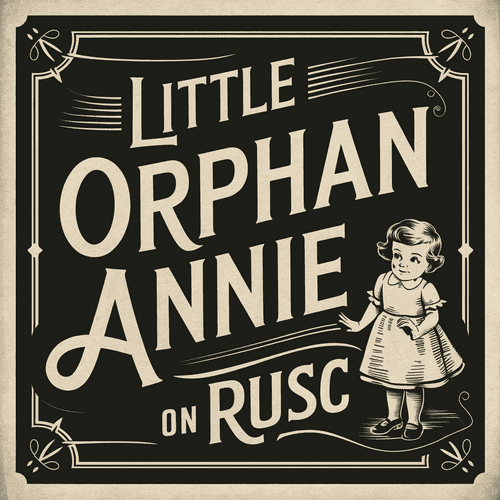
Stanley Andrews made a significant mark in radio as Daddy Warbucks on the Little Orphan Annie series, a role he played from 1931 to 1936. His commanding voice and authoritative presence brought the character to life, captivating listeners nationwide. This performance established him as a dependable radio actor capable of conveying strength, warmth, and moral certainty—all qualities essential for the fatherly industrialist he portrayed. The success of Little Orphan Annie opened doors for Andrews in both radio and film. His voice acting demonstrated a keen sense of pacing and emotional nuance, helping him stand out in an era when radio was the primary medium for serialized storytelling. Andrews' ability to sustain audience interest over extended periods was a testament to his theatrical background and his innate understanding of narrative rhythm.
Television and Western Genre Contributions
Transitioning to television in the 1950s, Andrews became widely recognized as "The Old Ranger," the original host of the syndicated Western anthology series Death Valley Days. From 1952 to 1964, he guided viewers through dramatized stories of the American West, blending historical narration with character-driven storytelling. His measured, authoritative delivery lent credibility and charm to the series, making him a trusted guide to the frontier for a generation of television audiences. In addition to Death Valley Days, Andrews appeared in numerous Western-themed television series, including The Range Rider, Annie Oakley, The Gene Autry Show, The Lone Ranger, Buffalo Bill, Jr., Tales of the Texas Rangers, and Sky King. He often played authoritative or paternal figures, reinforcing his typecasting as a figure of guidance and moral clarity. Notably, his performances in Fury and Stories of the Century demonstrated his versatility in both adult and children’s programming, highlighting his ability to adapt to different narrative tones and formats.
Film Career and Supporting Roles
Andrews’ film career was extensive, encompassing over 250 appearances. He often played uncredited or supporting roles in major productions, bringing gravitas and reliability to every performance. Notable films included Mr. Deeds Goes to Town, Beau Geste, Mr. Smith Goes to Washington, The Ox-Bow Incident, State of the Union, and The Lemon Drop Kid. He also appeared in Superman and the Mole Men, the first theatrical Superman film, and in the holiday classic It’s a Wonderful Life, portraying Mr. Welch. His final film role was in Cry Terror! in 1958. Andrews’ cinematic work demonstrated a remarkable range, from Westerns to political dramas, often embodying figures of authority or ethical certainty. His ability to deliver credible performances, even in brief screen time, made him a valued character actor in Hollywood’s studio system.
Legacy and Impact
Stanley Andrews passed away on June 23, 1969, in Los Angeles, California, at the age of 77. His contributions to radio and television helped define the archetype of the paternal, guiding figure in American entertainment. As Daddy Warbucks on radio and the host of Death Valley Days, Andrews shaped audience perceptions of character-driven storytelling, influencing both Westerns and serialized narratives for decades. His professionalism, adaptability, and commanding presence ensured that he remained a familiar and respected figure across multiple generations of audiences. His legacy is particularly notable for bridging media transitions—from live theater to radio to television—while maintaining a consistent standard of performance. Andrews demonstrated that the skills honed on stage and in early radio could translate effectively to the new medium of television, leaving an enduring influence on character acting in Westerns and anthology series.
Works and Appearances
Radio
- Little Orphan Annie (1931–1936) – Daddy Warbucks
Television
- Death Valley Days (1952–1964) – Host, "The Old Ranger"
- The Range Rider
- Annie Oakley
- The Gene Autry Show
- The Lone Ranger
- Buffalo Bill, Jr.
- Tales of the Texas Rangers )
- Sky King (4 episodes)
- Fury (1955) – Dr. Henry Fulmer, "Joey Saves the Day"
- Stories of the Century (1954) – “Tom Horn” episode
Cinema
- Roman Scandals (1933)
- Mr. Deeds Goes to Town
- Beau Geste
- Mr. Smith Goes to Washington
- The Ox-Bow Incident
Stanley Andrews’ career exemplifies the adaptability and enduring talent of mid-20th century performers, marking him as a notable figure in American radio, film, and television history.