Sophie Tucker
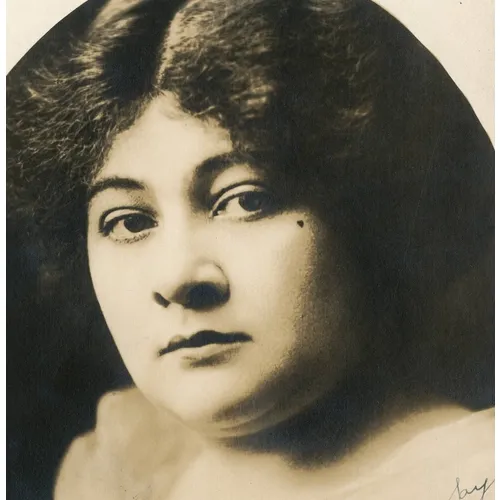
Sophie Tucker, affectionately known as “The Last of the Red-Hot Mamas,” was a pioneering entertainer whose bold personality and powerhouse voice defined American vaudeville, radio, and early television. Celebrated for her brassy humor, daring songs, and charismatic stage presence, Tucker became a cultural icon whose influence extended across multiple entertainment platforms throughout the 20th century.
Early Life and Background
Sophie Tucker was born Sophie Kalish on January 13, 1887, in Tulchyn, Russian Empire (now Ukraine). She immigrated to the United States with her family, settling in Hartford, Connecticut, where she was raised in a working-class Jewish household. Early exposure to music and performance came through her family and the local community, and Tucker showed a natural aptitude for singing and entertaining from a young age. By her teens, Tucker was performing in local venues, gradually honing the brash, confident style that would become her trademark. Her early experiences with hardship and immigrant life contributed to her resilience and ability to connect with audiences through humor and candid storytelling. This combination of personal grit and raw talent laid the foundation for a career that would span decades and break social norms.
Entry Into Vaudeville and Radio
Tucker’s professional career began in vaudeville, where she quickly gained attention for her bold personality and distinctive voice. She became famous for singing risqué songs with humor and energy, a style that distinguished her from more conservative performers of the era. By embracing her larger-than-life persona, she appealed to audiences across the country and carved out a unique niche in American entertainment. Her success in vaudeville naturally transitioned to radio in the 1920s and 1930s, where she reached national audiences. Radio allowed Tucker to translate her intimate, humorous, and sometimes provocative performance style into a medium that captivated listeners without visual cues. She hosted her own radio programs and made guest appearances, delighting audiences with her singing, jokes, and engaging storytelling.
Signature Style and Public Persona
Tucker’s signature style was defined by her powerful contralto voice, energetic stage presence, and irreverent humor. She embraced songs that were considered bold for their time, often performing with a mixture of bawdy wit and sincerity. This combination made her an enduring favorite among working-class audiences, as well as a trailblazer for female performers in entertainment. She was also known for her catchphrase-laden patter, her flair for theatrical costume, and her willingness to confront social taboos on stage. Her performances on radio retained this vivacious character, translating her visual presence into voice alone through timing, intonation, and comedic phrasing. Tucker once said of her approach, “I always sing from the heart and speak to people as they are,” a philosophy that resonated across both live and broadcast performances.
Transition to Film and Television
Beyond radio, Tucker successfully transitioned into film and television, appearing in multiple movies throughout the 1930s and 1940s, often as herself or in roles that leveraged her comedic and musical talents. She starred in productions such as Honky Tonk (1929) and appeared in short films and musical comedies, extending her reach beyond live audiences. Later in her career, Tucker embraced television, hosting programs that introduced her vivacious persona to new generations. Her adaptability across media demonstrated not only her talent but also her understanding of entertainment as a changing landscape. By moving seamlessly between stage, radio, film, and television, she maintained relevance for decades in a rapidly evolving industry.
Legacy and Influence
Sophie Tucker’s influence on American entertainment is immeasurable. She paved the way for female performers in comedy and music, challenging gender norms with humor, boldness, and authenticity. Her work in radio helped popularize the integration of personality-driven entertainment with musical performance, influencing subsequent generations of singers, comedians, and radio personalities. Tucker passed away on February 9, 1966, in Southbury, Connecticut, leaving behind a legacy of innovation, resilience, and joy. Her recordings and performances continue to be celebrated for their humor, heart, and trailblazing spirit, cementing her place as one of the great figures of early 20th-century American entertainment.
Works and Appearances
Radio
- Desert Island Discs, BBC radio (1963)
Television
- Hosted television specials (1950s–1960s)
Cinema
- Honky Tonk (1929)
- Various short films and musical comedies – 1930s–1940s – Featured as herself or in character roles reflecting her stage persona
Theater and Vaudeville
- National vaudeville tours – 1900s–1930s – Signature “red-hot mama” performances
- Broadway appearances – Various years – Combining singing, comedy, and audience interaction
Books/Publications
- Memoirs and biographies (posthumous) detailing her career and contributions to entertainment
Other Media
- Recordings of popular songs – 1910s–1960s – Helped define early American popular music and vaudeville repertoire