Scotty Beckett
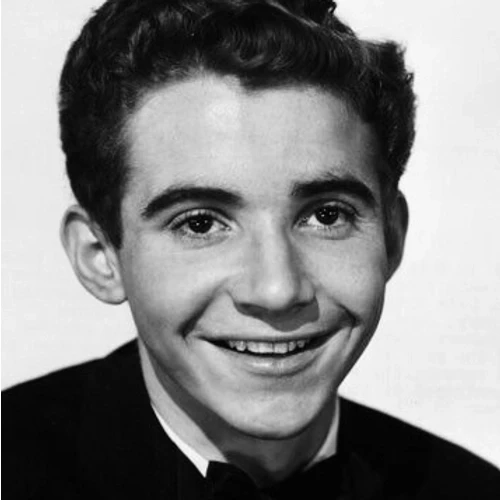
A precocious face from Hollywood’s golden age, Scotty Beckett rose to national attention as a child in the 1930s and remained a familiar presence on screens into the 1950s. Though best remembered for his comedic poise among the Our Gang kids and a standout turn in The Jolson Story, his career also mirrored the volatility of youthful fame in mid-century America. By the time of his death in 1968, he had left behind a trail of memorable performances across film and television that continue to draw interest from classic media aficionados.
Early Years and Breakthrough
Born in 1929, Scotty Beckett entered the film world at an unusually young age, a child whose self-assurance and crisp timing served him well in the studio system. Audiences first encountered him in short subjects, where his ability to deliver dialogue with grown-up composure made him instantly notable among peers. His breakthrough came with MGM’s beloved series of shorts, Our Gang (also known as the Little Rascals). Joining the troupe in the mid-1930s, Beckett quickly distinguished himself with a dapper, earnest persona that contrasted with the troupe’s more rascally cutups. In a sweater, tie, and a self-possessed demeanor, he often played the pint-sized straight man with impeccable control, the small gentleman in a world of comic chaos. These early roles not only embedded him in one of the era’s best-loved franchises but also positioned him as a go-to juvenile performer for major studios. By his teens, Beckett had accumulated the kind of professional experience that was rare even among seasoned adult players.
Notable Screen Roles and Turning Points
While Our Gang established his name, Beckett’s defining feature performance arrived a decade later in 1946 with The Jolson Story. Cast as the younger incarnation of the title figure, he anchored the early segments of the biopic with charm and accessibility, helping set the emotional tone that would carry the picture. The film itself became a cultural touchstone, and Beckett’s contribution ensured his screen presence would be remembered far beyond his childhood roles. Between his child-star years and adult transition, he notched a series of feature credits that maintained his visibility in Hollywood. He played earnest, engaging youths and young men, the kind of roles that required sincerity without sentimentality. These parts showcased his capacity to adjust his childhood screen instincts to more mature material while maintaining the ease that made him popular. The shift from kid-comic ensemble to youthful leading support can be an unforgiving passage for performers. Beckett met it with professional steadiness, navigating the evolving taste of postwar audiences. His credits across the late 1940s and early 1950s document a performer looking for durable footing in a rapidly modernizing entertainment landscape.
Technique, Persona, and Onscreen Presence
Beckett’s screen persona thrived on understatement. In Our Gang, he often let chaos swirl around him, grounding comic set-pieces with a poise that made the gags land harder. That restraint—rare among child actors—read as intelligence and gave his characters an amusingly adult air. It also foreshadowed the kinds of roles he would take as an adolescent and young adult, in which calm credibility proved an asset. His work in The Jolson Story showed an adjacent strength: the ability to carry the emotional opening of a major studio film without theatrical excess. He could register wonder, ambition, and vulnerability in small gestures, a style that aligned with mid-century Hollywood’s preference for polished, camera-ready naturalism. Whether in light comedy or earnest biographical drama, Beckett favored directness over showy technique. That economy—say it clean, keep the energy up, move the story along—explains why producers trusted him in ensemble settings where timing was everything. It also made him a fit for tight schedules and episodic storytelling formats that would increasingly dominate American screens.
Television Work and Later Years
By the early 1950s, Beckett had transitioned into television, the new showcase for stars of every stripe. In 1954, he appeared on the sci‑fi adventure series Rocky Jones, Space Ranger, playing the breezy co-pilot “Winky,” a role that capitalized on his likability and quick comedic touch. The series reflected the era’s appetite for space-frontier optimism and gave Beckett a regular platform at a time when TV audiences were exploding. As the decade progressed, the challenges of sustaining a child-to-adult career mounted. Though he remained a recognized figure from films and television, the volume and prominence of roles diminished, a pattern not uncommon among young performers of his generation as genres shifted and studios recalibrated their rosters. Beckett’s life ended tragically in 1968, bringing a premature close to a career that had begun before he reached school age. The brevity of his adulthood contrasts sharply with the length of his time in front of cameras—a reminder of how early and intensely he lived in public view.
Legacy and Cultural Memory
Scotty Beckett occupies a distinct place in Hollywood memory: a polished professional who left indelible impressions in both short-subject comedy and a landmark musical biopic. For many viewers, his image in Our Gang—necktie straight, expression earnest—remains one of the series’ signature notes of charm. For others, his youthful presence in The Jolson Story is the cornerstone of a film that helped define postwar musical biography on screen. His television work in 1954 placed him among the adopters who bridged theatrical features and the living-room screen, proof of his adaptability in a medium that demanded quick shifts of tone and tempo. The totality of his career illustrates both the opportunities and perils of early stardom in mid-century entertainment. Though his time was short, the performances endure. They capture a performer whose professionalism shaped iconic properties and whose legacy still flickers in the rotating cycles of classic shorts, features, and vintage TV that continue to find new audiences.
Works and Appearances
Radio
- The Life of Riley
Television
- Rocky Jones, Space Ranger (1954) — Role: “Winky,” co-pilot and comic sidekick; regular cast during the series’ run that year.
Cinema
- Our Gang/Little Rascals shorts (mid-1930s) — Role: “Scotty”; ensemble comedy shorts produced by MGM.
- The Jolson Story (1946) — Role: Young Al Jolson; early biographical segments that help establish the film’s tone