Richard Haydn
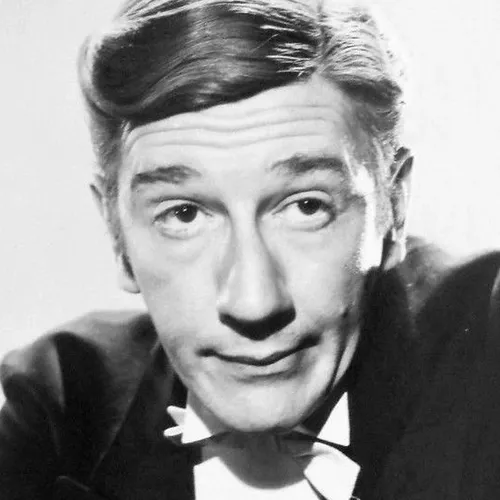
Richard Haydn was a remarkable performer whose distinctive nasalized voice and eccentric characterizations made him a memorable figure in mid-20th century entertainment. Though best known for his film roles, Haydn was also a significant presence in radio broadcasting, creating memorable characters that delighted audiences across America.
Early Life and Radio Beginnings
Born George Richard Haydon on March 10, 1905, in Camberwell, London, Haydn's path to entertainment was anything but conventional. Before becoming a radio and stage performer, he worked as a music hall entertainer and even managed a banana plantation. His early career was marked by a willingness to reinvent himself, symbolized by his decision to shorten his last name from "Haydon" to "Haydn" when he joined a touring British theatre troupe. Haydn's radio career quickly became distinguished by his unique vocal style. He developed a deliberately over-nasalized and meticulously enunciated delivery that would become his trademark. This distinctive vocal approach made him instantly recognizable to listeners and set him apart from other radio performers of his era.
Signature Radio Performances
On radio, Haydn was perhaps most famous for his portrayal of Edwin Carp, a character that became a fan favorite. He was a regular on The Swan Soap Show and performed this character across multiple programs. In 1954, he even published a book titled The Journal of Edwin Carp, further expanding the character's universe. His radio work wasn't limited to comedy. Haydn demonstrated remarkable versatility, appearing in various dramatic and comedic roles. In a notable 1960 Twilight Zone episode, he played Bartlett Finchley, a quirky, self-absorbed character confronted by rebellious household machines. This performance showcased his ability to bring nuanced, slightly absurd characters to life through voice alone.
Transition to Other Media
While radio was a significant part of his career, Haydn successfully transitioned to television and film. He continued to reprise radio characters in television appearances, such as his return as Edwin Carp in a 1964 episode honoring old-time radio performers. His film career included memorable roles like Max Detweiler in The Sound of Music and voice work in Disney's Alice in Wonderland.
Legacy and Influence
Richard Haydn's contribution to entertainment extended beyond his performances. His unique vocal style and ability to create memorable, eccentric characters influenced generations of comedic performers. He demonstrated how a distinctive voice could transform a character from mere dialogue to a fully realized personality.
Conclusion
Richard Haydn passed away on April 25, 1985, in Pacific Palisades, California, leaving behind a rich legacy of entertainment. His journey from music hall performer to radio star, and eventually to film and television actor, exemplified the versatility of mid-20th century performers.
Works and Appearances
Radio
- The Swan Soap Show - Regular performer
- Edwin Carp series - Recurring character
- Various dramatic and comedic roles (1940s-1960s)
Television
- The Twilight Zone - Bartlett Finchley (1960)
- The Dick Van Dyke Show - Edwin Carp (1964)
- Bewitched - Kenzu Mishimoto (1968)
- Bonanza - Malcolm the Magnificent (1969)
Film
- Alice in Wonderland - Caterpillar (Voice, 1951)
- The Sound of Music - Max Detweiler (1965)
- Young Frankenstein - Herr Falkstein (1974)
Theater
- Broadway debut in unnamed production (1939)
- Various stage performances throughout 1940s and 1950s