Ray Anthony
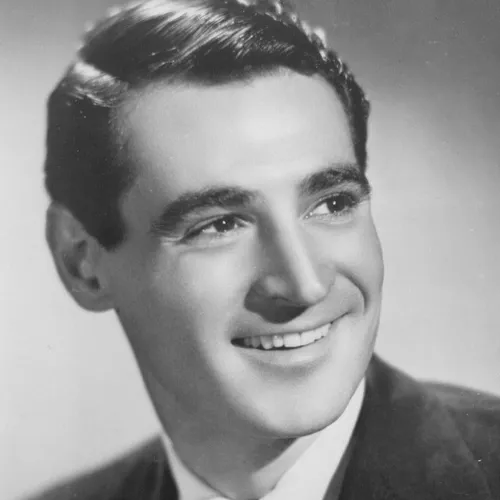
In the vibrant world of mid-20th century American music, few personalities embodied the spirit of big band and swing quite like Ray Anthony. A trumpeter, bandleader, and entertainer, Anthony's career spanned decades, bridging the golden age of radio and the emerging television era with his dynamic musical performances and charismatic presence.
Early Life and Musical Beginnings
Born Raymond Antonini on January 20, 1922, in Bentleyville, Pennsylvania, Ray Anthony emerged from an Italian-American family with a deep musical heritage. His musical journey began remarkably early when his father gifted him a trumpet at just five years old. Growing up, Anthony was profoundly influenced by legendary trumpeter Harry James, whom he later described as having "a complete mastery of the instrument" that he deeply admired. The young musician first honed his skills playing in the Antonini Family Orchestra, a family ensemble that provided his initial musical training. This early exposure to collaborative music-making would prove instrumental in shaping his future career as a bandleader.
Breaking into Professional Music
Anthony's professional debut came in 1940, marking the beginning of an extraordinary musical journey. His first significant professional opportunity was with the legendary Glenn Miller Orchestra, where he played from 1940 to 1941. Despite being the youngest member, Anthony quickly gained a reputation for his musical skills and innovative ideas, earning the playful nickname "Peck's Bad Boy" due to his tendency to suggest new directions for the band. During World War II, Anthony's musical career intersected with military service. He joined the Navy in 1942, where he continued to entertain troops, demonstrating the crucial morale-boosting role musicians played during wartime. After the war, he formed The Ray Anthony Orchestra, which would become immensely popular in the early 1950s.
Radio, Television, and Musical Success
Anthony's musical prowess extended far beyond live performances. He became a prominent figure in radio and early television, creating memorable theme songs and hit records. His recording of the Peter Gunn theme reached No. 8 on the pop chart and remained popular for decades. From 1953 to 1954, he served as the musical director for the television series TV's Top Tunes, showcasing his versatility as a musical director. His musical repertoire was remarkably diverse. While rooted in big band and swing, Anthony wasn't afraid to evolve. In the early 1980s, he formed Big Band '80s, experimenting with various musical styles including rock, pop, and even film and television themes.
Beyond Music: Acting and Personal Life
Ray Anthony wasn't just a musician; he was also an actor. In the mid-1950s, he trained alongside notable performers and appeared in several films. His most notable acting period was between 1955 and 1960, including appearances in movies like The Girl Rush and a short-lived television variety show, The Ray Anthony Show. His personal life was equally colorful. In 1955, he married actress Mamie Van Doren, with whom he had a son, Perry Ray. Though their marriage was brief, ending in divorce in 1961, it captured significant media attention.
Legacy and Continued Significance
As of 2022, Ray Anthony achieved the remarkable milestone of turning 103 years old, becoming the last living member of Glenn Miller's original band. His contributions to American music have been widely recognized, including being honored with a star on the Hollywood Walk of Fame.
Works and Appearances
Radio
- Glenn Miller Orchestra (1940-1941)
- Musical Director, TV's Top Tunes (1953-1954)
Television
- The Ray Anthony Show (1956-1957)
- Guest appearances on various shows in the late 1950s
Films
- The Girl Rush (1955)
- The Opposite Sex (1956)
- Bernardine (1957)
Music Albums (Selected)
- Houseparty Hop (1952)
- Dream Dancing (1956)
- Worried Mind (1962)
Ray Anthony's journey from a young trumpet player in a family orchestra to a celebrated bandleader represents the quintessential American musical success story, bridging multiple eras of entertainment with his remarkable talent and adaptability.