Philip Loeb
Philip Loeb was a remarkable American actor whose career embodied the artistic spirit of mid-20th century theater and television, ultimately becoming a poignant symbol of the devastating impact of the Hollywood blacklist. His journey through the entertainment world was marked by talent, passion, and ultimately, tragic persecution.
Early Life and Theatrical Beginnings
Born on March 28, 1891, in Philadelphia, Pennsylvania, Philip Loeb discovered his passion for performance early in life. His first theatrical experience came during a high school production of The Workhouse Ward, which sparked a lifelong love for the stage. After serving in the Army, Loeb began pursuing acting professionally, securing minor stage roles and working as a stage manager for various productions. The 1920s proved to be a transformative decade for Loeb. He became associated with the newly formed theatrical community in New York City, gradually establishing himself as a versatile performer. His theatrical career flourished, and he eventually directed seven Broadway productions and appeared in an impressive 36 Broadway plays, ranging from his first role in If I Were King in 1916 to his final stage appearance in 1953.
The Goldbergs and Television Success
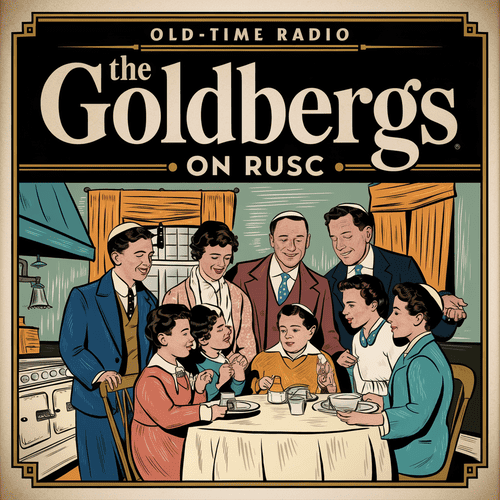
Loeb's most iconic role came in 1948 when he portrayed Jake Goldberg in the Broadway play Molly Goldberg, which was based on Gertrude Berg's long-running radio show. The following year, he reprised the role in the television adaptation on CBS, quickly becoming a viewer favorite. As Jake, the exasperated but loving husband to Berg's meddlesome Molly Goldberg, Loeb captured the hearts of audiences across America. His portrayal was nuanced and endearing, bringing authenticity to the character of a Jewish family patriarch. Loeb appeared in the show's 1950 season, solidifying his place in the emerging world of television comedy.
The Blacklist and Professional Downfall
In June 1950, Loeb's career took a devastating turn when he was named as a Communist sympathizer in Counterattack: The Report of Communist Influence in Radio and Television. Despite denying the accusation, the chief sponsor of The Goldbergs demanded his removal from the show due to his "controversiality". Gertrude Berg, who created and owned the show, initially refused to fire Loeb. They resisted the sponsor's mandate for over a year, but ultimately, Loeb resigned, accepting a settlement estimated at $40,000. This marked the beginning of a painful professional decline.
Personal Struggle and Tragic End
The blacklisting took a severe emotional toll on Loeb. As the sole supporter of his son, he faced significant financial and psychological challenges. Screenwriter Walter Bernstein, a friend, noted that he "never saw Loeb smile, even when Zero was at his hilarious best". On September 1, 1955, Loeb committed suicide by taking an overdose of sleeping pills in a Manhattan hotel. No note was found. He was buried in Mount Sinai Cemetery in his native Philadelphia.
Legacy and Remembrance
Philip Loeb's tragic story became a powerful symbol of the human cost of the Hollywood blacklist. His descent was immortalized in the 1976 film The Front, where his friend Zero Mostel portrayed a character based on Loeb's experience. The American Academy of Dramatic Arts, where Loeb was an instructor, now awards an annual scholarship in his memory.
Works and Appearances
Radio
- The Goldbergs (Radio show, various years)
Television
- The Goldbergs (CBS, 1949-1950) as Jake Goldberg
Film
- Room Service (1938) as Timothy Hogarth
- Sweethearts (1938) as Samuel Silver (Uncredited)
- A Double Life (1947) as Max Lasker
Theater
- If I Were King (1916) - First Broadway play
- Time Out for Ginger (1953) - Final Broadway production
Philip Loeb's life represents a profound chapter in American entertainment history, a testament to artistic integrity in the face of political persecution.