Peggy Taylor
In the vibrant landscape of mid-20th century American broadcasting, Peggy Taylor emerged as a versatile and pioneering performer whose career spanned radio, television, and announcing. Born Margaret Tague on October 12, 1927, in Inglewood, California, she would become a notable voice that resonated across the entertainment industry during a transformative era of media.
Early Life and Musical Beginnings
Peggy Taylor's journey began in California, where she was raised with dreams of performance. After graduating from her educational institution in 1949, she set her sights on a career in entertainment. Her early professional path was marked by musical performances, establishing herself as a talented vocalist. In 1952, she landed a significant opportunity as a vocalist on The Breakfast Club, a popular radio program that would serve as a launching pad for her career. During this period, Taylor demonstrated remarkable versatility, recording for multiple labels including Starlite and others. Her performances ranged from intimate venues like the Colony Club to various locations across California, showcasing her adaptability and broad appeal. She even had the distinction of opening for notable performers, highlighting her growing reputation in the entertainment world.
Radio and Comedy Collaborations
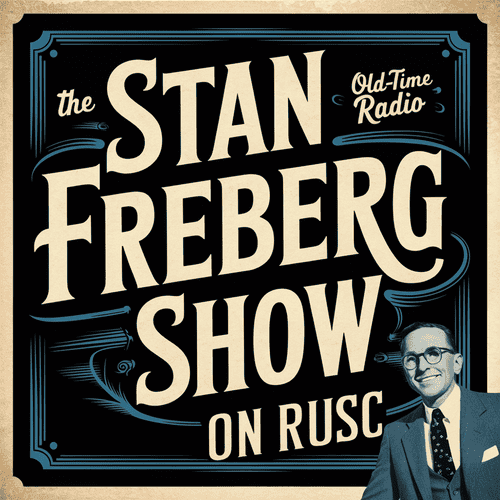
Taylor's career took an interesting turn when she became involved with comedic performances. In 1957, she participated in a memorable parody of Lawrence Welk, impersonating his "Champagne Lady" Alice Lon. This performance led to her becoming a resident singer on a comedy program. Her comedic talents were further demonstrated in a sketch with Stan Freberg, where she played a harassed wife in a groundbreaking comedy piece that would influence future comedy styles. Her ability to blend musical performance with comedic timing made her a unique talent in the broadcasting landscape. She wasn't just a singer or an actress, but a multifaceted performer who could adapt to various entertainment formats.
Pioneering Television and Announcing Career
The 1960s and 1970s saw Taylor transition into television and professional announcing. In a significant milestone for women in broadcasting, she joined NBC's West Coast announcing staff in March 1973, becoming the only full-time female staff announcer hired by the network at that time. Her announcing work was extensive and varied. Taylor's voice became familiar to audiences through network shows, introducing programs and providing voiceovers. She was particularly notable for her work with NBC's Los Angeles station, handling program introductions, closes, and even anchoring sign-on and sign-off editions of NewsCenter 4. Her announcing career continued until around 1989, marking over 15 years of professional broadcasting.
Legacy and Personal Life
Peggy Taylor represented a generation of performers who bridged multiple entertainment mediums. From her early days as a singer to her groundbreaking role as a female network announcer, she exemplified the dynamic nature of mid-century American broadcasting. Her career reflected the changing opportunities for women in media during a transformative period. On February 9, 2002, Taylor passed away in Cambria, California, at the age of 74. She left behind a legacy of versatility, pioneering spirit, and professional excellence.
Works and Appearances
Radio
- The Breakfast Club (Vocalist, 1952)
- Various comedy programs (Performer)
Television
- NBC Network Announcer (1973-1989)
- NewsCenter 4 (Sign-on/Sign-off Anchor)
- Various network show introductions
Comedy Performances
- Parody of Lawrence Welk's Champagne Lady
- Sketch performances with Stan Freberg
Music
- Recordings for Starlite and other labels
- Live performances in California venues
Peggy Taylor's multifaceted career serves as a testament to the rich, dynamic world of mid-20th century American broadcasting, where talent, adaptability, and pioneering spirit could lead to remarkable professional journeys.