Paul Whiteman
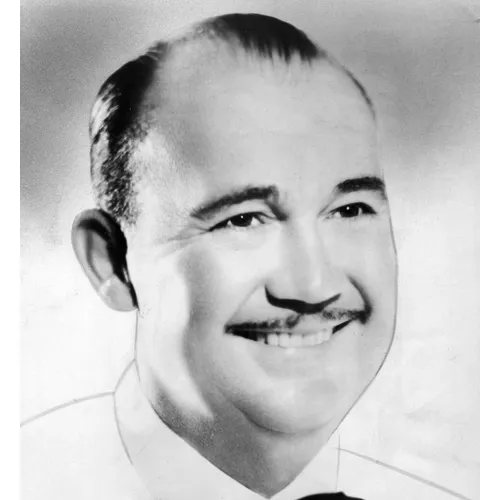
In the vibrant landscape of early 20th-century entertainment, Paul Whiteman emerged as a transformative figure who bridged the worlds of music, radio, and popular culture. Known as the "King of Jazz," Whiteman was far more than a bandleader; he was a visionary who helped shape the sound of American entertainment during the golden age of radio.
Musical Beginnings and Rise to Prominence
Born on March 28, 1890, in Denver, Colorado, Paul Whiteman came from a musical family. His father, Wilburforce James Whiteman, was a music supervisor, and his mother was a former opera singer. Initially trained on the viola, Whiteman quickly distinguished himself as a talented musician. By 1914, he had joined the Denver Symphony Orchestra, laying the groundwork for his future musical innovations. Whiteman's breakthrough came in the early 1920s when he formed the Paul Whiteman Orchestra. At a time when most dance bands consisted of six to ten musicians, Whiteman created imposing ensembles of up to 35 performers. His innovative approach to music caught the public's imagination, and by 1922, he was earning over $1,000,000 annually and controlled 28 ensembles on the East Coast.
Pioneering Jazz and Radio Broadcasting
In 1923, the media crowned Whiteman the "King of Jazz," a title that reflected his unique approach to the genre. Unlike traditional jazz musicians who emphasized improvisation, Whiteman sought to elevate jazz through orchestration and formal arrangements. This approach was controversial, with some critics arguing he was trying to "make a lady" out of jazz. Whiteman's radio career was equally groundbreaking. He participated in prestigious early radio programs, including the Dodge Brothers' Victory Hour in 1928, which was the most widespread radio broadcast attempted at that time. Throughout the 1930s and 1940s, he hosted numerous radio shows, including Paul Whiteman's Musical Varieties and Paul Whiteman's Radio Hall of Fame.
Collaborations and Cultural Impact
A remarkable aspect of Whiteman's career was his commitment to promoting musical talent. He hired many of the best jazz musicians, including emerging African American artists, though racial tensions of the era often limited his ability to fully integrate his bands. In 1924, he commissioned George Gershwin's landmark composition Rhapsody in Blue, which premiered with Whiteman's orchestra. Whiteman was also an early television pioneer. He hosted Paul Whiteman's TV Teen Club from 1949 to 1954, a show that influenced future television formats like American Bandstand. His ability to adapt across different media platforms demonstrated his versatility and forward-thinking approach.
Later Career and Legacy
As musical tastes changed in the mid-1930s, Whiteman's popularity waned. However, he experienced a revival in the 1950s through his television series and continued musical performances. He remained active in the entertainment industry, hosting talent shows and making occasional appearances. Whiteman passed away on December 29, 1967, leaving behind a complex legacy. While some critics argued he appropriated jazz, historians recognize his genuine love for the music and his role in introducing jazz to mainstream audiences. He was posthumously inducted into the Grammy Hall of Fame for recordings like Rhapsody in Blue and Whispering.
Works and Appearances
Radio
- Paul Whiteman's Musical Varieties (1936)
- Paul Whiteman's Radio Hall of Fame (1943-1946)
- Paul Whiteman Presents (Various years)
- Paul Whiteman's TV Teen Club (1949-1954)
Television
- Paul Whiteman's TV Teen Club (1949-1954)
- Various guest appearances and hosting roles
Film
- King of Jazz (1930)
- Rhapsody in Blue (1945)
- New Faces of 1937 (1937)
Music Recordings
- Rhapsody in Blue (1924)
- Whispering (1920)
- Ol' Man River (1928)
Paul Whiteman's multifaceted career represents a pivotal moment in American entertainment, where jazz, radio, and popular culture intersected to create something truly revolutionary.