Paul Henning
In the landscape of mid-20th century American entertainment, few figures shaped television comedy as profoundly as Paul William Henning. A master storyteller who transformed rural narratives into comedic gold, Henning became synonymous with a unique brand of heartland humor that captivated millions of viewers across the United States.
Early Life and Radio Beginnings
Born on September 16, 1911, in Independence, Missouri, Paul Henning grew up on a farm that would later inspire many of his most memorable characters. As a teenager, he harbored dreams of becoming a radio singer, but fate had other plans. While working at a local radio station (KMBC), he discovered his true talent lay in writing. When the station lacked funds to create "filler" content between songs, Henning stepped in as a writer, inadvertently launching what would become a legendary career in entertainment. Interestingly, during this early period, he even met a future President who advised him to become a lawyer. However, Henning's passion for storytelling and performance would ultimately guide his professional trajectory.
The Transition to Television Writing
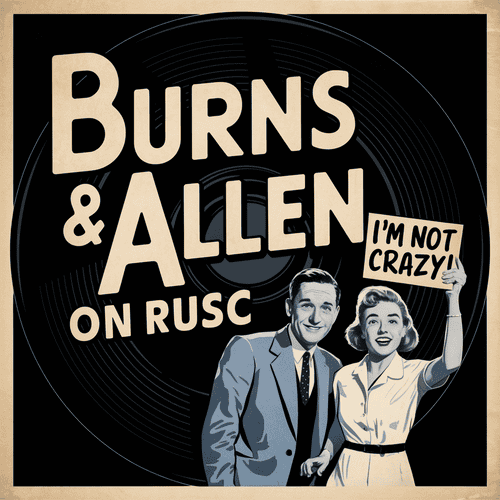
Writing quickly proved more lucrative than singing, prompting Henning to pivot his career. He began writing for various radio and television series, developing a reputation for sharp, witty scripts. His breakthrough came when he created and wrote for The George Burns and Gracie Allen Show, where he met many actors who would later feature in his most famous productions. Henning's versatility as a writer was evident in his screenplay work. He was nominated for an Academy Award for Best Writing: Original Screenplay for Please Don't Eat the Daisies (1961) and collaborated on other notable film projects.
Rural Comedy Empire
In 1962, Henning created his most iconic television series, The Beverly Hillbillies—a sitcom inspired by his own experiences camping near the Ozarks. The show was a massive success, with Henning personally writing or co-writing over 200 of the 274 episodes. He even composed the popular theme song, "The Ballad of Jed Clampett". The success of The Beverly Hillbillies led CBS to grant Henning another prime-time slot. In 1963, Petticoat Junction debuted, featuring his daughter Linda Kaye in a starring role. By 1965, he had expanded his rural comedy universe with Green Acres. These three shows represented a unique comedic trilogy that dominated television ratings for years.
Legacy and Impact
Despite their popularity, Henning's rural comedies fell victim to CBS's "rural purge" in 1971, when the network sought to shift towards more "sophisticated" programming. However, the impact of his work was undeniable. Author Kurt Andersen described Henning as "the Dickens of American television production". Henning's comedic approach celebrated rural American life with warmth, humor, and a keen understanding of human nature. His shows weren't just comedies; they were cultural touchstones that reflected and gently satirized mid-20th century American society.
Personal Life and Final Years
Married to Ruth Barth since 1939, Henning was a family man whose personal experiences often inspired his work. Later in life, he and Ruth donated land near Branson, Missouri, creating the Paul and Ruth Henning Conservation Area, a testament to their love for the landscape that inspired his comedy. Henning retired to California and passed away on March 25, 2005, at the age of 93, leaving behind a remarkable legacy in American entertainment.
Works and Appearances
Radio
- Various radio show writing credits (1930s)
Television
- The George Burns and Gracie Allen Show (Writer)
- The Beverly Hillbillies (Creator, Writer, 1962-1971)
- Petticoat Junction (Creator, 1963-1970)
- Green Acres (Executive Producer, 1965-1971)
Film
- Please Don't Eat the Daisies (Screenplay, 1961)
- The Ugly Dachshund (Screenplay, 1966)
Awards
- Laurel Award for TV Writing Achievement (1995)
Paul Henning's contribution to American comedy remains unparalleled, transforming rural narratives into beloved television classics that continue to entertain generations.