Olivia De Havilland
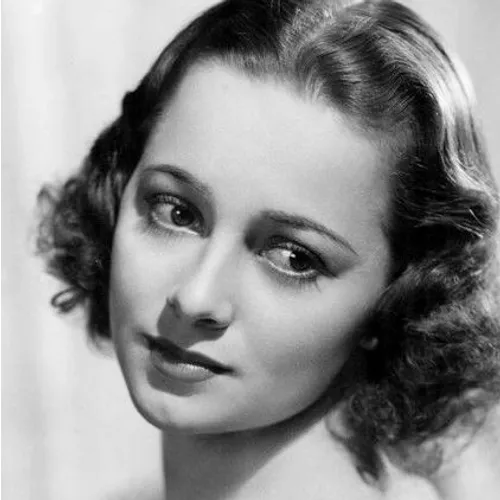
Olivia de Havilland was far more than just a Hollywood icon; she was a multifaceted performer whose talents extended deeply into the world of radio broadcasting. Though primarily known for her groundbreaking film career, de Havilland's radio work showcased her remarkable versatility and helped define the golden age of entertainment media during the 1930s and 1940s.
Early Beginnings and Theatrical Roots
Born in Tokyo, Japan, on July 1, 1916, Olivia de Havilland discovered her passion for performance early in life. Her journey into acting began in high school, where she participated in school plays and developed a profound love for the dramatic arts. Her breakthrough came when she was cast as Hermia in a local production of Shakespeare's "A Midsummer Night's Dream", which caught the attention of renowned Austrian director Max Reinhardt. Reinhardt's recognition launched de Havilland's professional career, leading to her first film contract with Warner Bros. in 1934. This opportunity not only marked her entry into cinema but would also become a pivotal moment in her radio career. Her natural talent and captivating screen presence quickly made her a sought-after performer across multiple entertainment platforms.
Radio Performance and Versatility
De Havilland's radio career was remarkably extensive, featuring appearances in numerous prestigious radio programs. The Lux Radio Theater became a particularly significant platform for her, where she frequently adapted her film roles for radio audiences. Between 1936 and 1950, she appeared in multiple episodes, including adaptations of Captain Blood, Green Light, and The Scarlet Pimpernel. Her radio work wasn't limited to one genre. She participated in various shows like Command Performance, Bob Hope Show, and Screen Guild Theater, demonstrating her remarkable range as a performer. These radio appearances allowed her to reach audiences beyond cinema, showcasing her vocal talents and dramatic skills.
Bridging Film and Radio Narratives
De Havilland's radio performances often served as extensions of her film work, providing audiences with intimate, audio-based interpretations of her most famous roles. Shows like the Academy Award Theater and Hollywood Star Time featured her in radio adaptations of her critically acclaimed films such as Hold Back the Dawn and Morning Glory. Interestingly, her radio work coincided with her most significant period of film success. During the 1940s, while winning Academy Awards for films like To Each His Own and The Heiress, she simultaneously maintained an active presence in radio broadcasting.
Legacy in Broadcasting and Performance
Beyond her performances, de Havilland was part of a transformative era in entertainment. Her radio work contributed to the medium's golden age, helping to popularize dramatic adaptations and bringing cinematic narratives to listeners nationwide. Her participation in shows like Suspense and Star and The Story demonstrated the interconnectedness of film and radio during this period. Her radio career also reflected her broader artistic journey - constantly evolving, challenging conventions, and connecting with audiences through powerful storytelling. This approach mirrored her groundbreaking legal battle against Warner Bros., which ultimately reshaped actors' contract rights in Hollywood.
Conclusion
Olivia de Havilland's radio legacy is a testament to her extraordinary versatility as a performer. While her film career often overshadows her broadcasting work, her radio performances were integral to her artistic expression, bridging visual and audio storytelling with remarkable skill and grace.
Works and Appearances
Radio
- Lux Radio Theater (1936-1950)
- Command Performance (1943-1944)
- Bob Hope Show (1938)
- Screen Guild Theater (1939-1946)
- Academy Award Theater (1946)
- Suspense (1944)
- Hollywood Star Time (1946)
Film
- Gone with the Wind (1939)
- Captain Blood (1935)
- The Adventures of Robin Hood (1938)
- To Each His Own (1946)
- The Heiress (1949)
Television
- Noon Wine (1966)
- Hawaii Five-O (1968)
- Roots: The Next Generations (1979)
Stage
- Romeo and Juliet (1951)
- A Gift of Time (1962)