Olive Deering
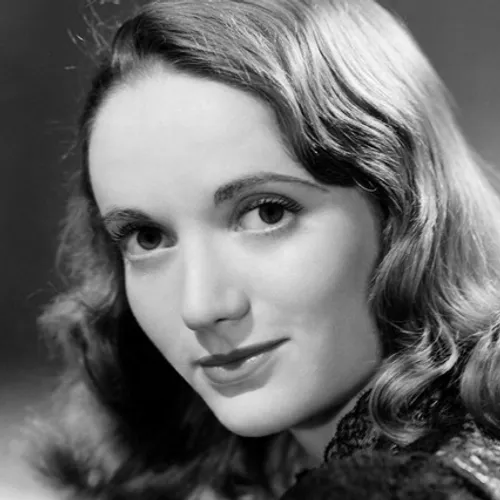
In the vibrant landscape of mid-20th century broadcasting, Olive Deering emerged as a multifaceted performer whose talents transcended the boundaries of radio, stage, and screen. Her remarkable career spanned several decades, making her a notable figure in the entertainment industry of her time.
Early Life and Artistic Beginnings
Born Olive Corn on October 11, 1918, in New York City, Deering was destined for a life in the performing arts. The daughter of Zelda "Sadie" Baruchin and Max Corn, a dentist, she was introduced to the world of performance at an early age. Her brother, Alfred Ryder, was also an actor, which likely influenced her artistic trajectory. Deering's passion for performance was evident from her youth. She began attending dramatic training when she was just 11 years old, laying the groundwork for her future career. Her early exposure to the performing arts would prove instrumental in shaping her versatile talents across multiple media platforms.
Radio: A Platform for Storytelling
Radio became one of Deering's primary mediums for artistic expression. She appeared in numerous radio programs that were quintessential to the golden age of broadcasting. Notable radio shows included True Story and Against the Storm, where she demonstrated her ability to bring characters to life through voice alone. Her radio work was characterized by a remarkable range and depth. She participated in over 200 radio programs, showcasing her versatility and skill in audio storytelling. Programs like Grand Central Station and City Hospital featured her performances, highlighting her ability to connect with audiences through sound.
Stage and Screen: Expanding Her Artistic Horizons
While radio was a significant part of her career, Deering was equally accomplished on stage and screen. Her first stage role was a walk-on part in Girls in Uniform (1933), and she quickly progressed to more substantial roles. She appeared in notable productions like Medicine Show alongside her brother in 1940, demonstrating her familial connection to the performing arts. In cinema, Deering worked with legendary director Cecil B. DeMille, who cast her in significant biblical roles. In Samson and Delilah (1949), she played Miriam, the Danite girl. DeMille himself praised her, noting her "talent and dedication to her art" would carry her far in theater.
Television and Later Career
Deering's transition to television was seamless. She appeared in numerous television programs throughout the 1950s and early 1960s, including episodes of Alfred Hitchcock Presents, The Outer Limits, and Shirley Temple's Storybook. Her final film appearance was in Howzer in 1973, marking the conclusion of an impressive career that spanned multiple entertainment mediums. Throughout her journey, she remained committed to her craft, earning respect as a versatile performer.
Legacy and Personal Life
Beyond her professional achievements, Deering led an interesting personal life. She was married twice - first to film director Leo Penn from 1947 to 1952, and then to Alan James from 1959 until his death in 1969. A life member of The Actors Studio, she was also politically engaged, supporting various campaigns. Olive Deering passed away on March 22, 1986, in New York City, leaving behind a rich legacy of performances across radio, stage, and screen. Her ability to adapt and excel in multiple mediums made her a true artist of her time.
Works and Appearances
Radio
- Grand Central Station (1951)
- Marcia Akers (1953)
- City Hospital (1956)
- True Story
- Against the Storm
Television
- Television Theater (1950)
- Kraft Television Theatre (1951)
- Alfred Hitchcock Presents (1959)
- The Outer Limits (1963)
- The Alfred Hitchcock Hour (1965)
Film
- Gentleman's Agreement (1948)
- Samson and Delilah (1949)
- The Ten Commandments (1956)
- Howzer (1973)
Stage
- Girls in Uniform (1933)
- Medicine Show (1940)
- Garden District
- Marathon '33