Nigel Bruce
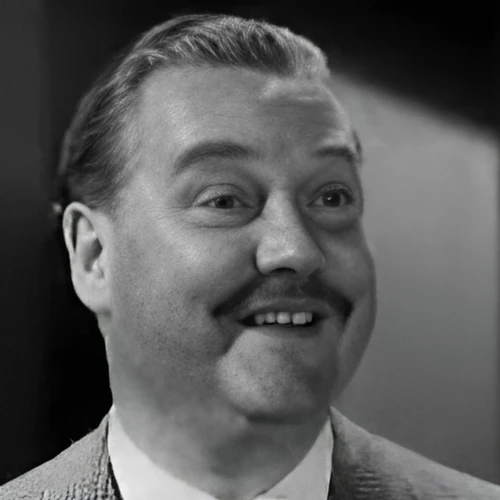
In the golden age of radio drama, few actors captured the hearts of audiences quite like Nigel Bruce. Best known for his endearing portrayal of Dr. John H. Watson alongside Basil Rathbone's Sherlock Holmes, Bruce became an iconic figure in entertainment history, bridging the worlds of stage, film, and radio with his distinctive charm and comedic talent.
Early Life and Theatrical Beginnings
Born William Nigel Ernle Bruce on February 4, 1895, in Ensenada, Mexico, Bruce came from a distinguished background. The second son of Sir William Waller Bruce, he received his education at Abingdon School, where he was an active sportsman, playing cricket and participating in athletics. His early life took an unexpected turn with the outbreak of World War I, during which he served in the military, suffering leg wounds that would ultimately prevent him from seeing front-line combat. After being discharged from the British Army, Bruce made a pivotal decision to abandon his initial career in the City of London Stock Exchange. Instead, he pursued his passion for acting, making his stage debut on May 12, 1920, in London. This marked the beginning of a remarkable journey that would see him become one of the most recognizable character actors of his time.
The Rise of a Radio and Film Icon
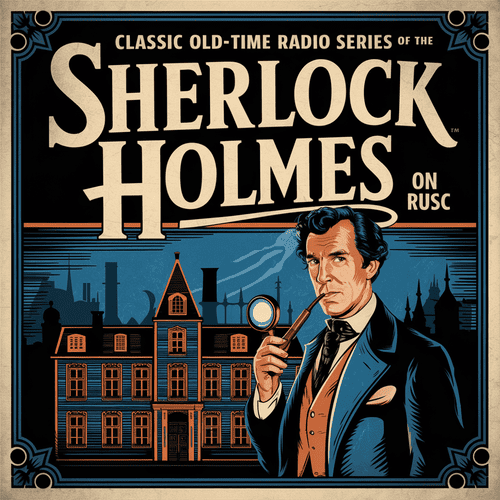
Bruce's career quickly gained momentum as he transitioned between stage and screen. By 1926, he had made his film debut, and throughout the 1930s, he became a regular on Broadway and in Hollywood. However, it was his collaboration with Basil Rathbone in the Sherlock Holmes film and radio series that would define his career. The Rathbone-Bruce Sherlock Holmes partnership began in 1939 with The Hound of the Baskervilles and continued through 14 films and over 200 radio programs. Bruce's portrayal of Dr. Watson was unique - while Holmes purists criticized him for making Watson appear less intelligent than in Sir Arthur Conan Doyle's original stories, audiences adored his bumbling, lovable interpretation. Rathbone himself praised Bruce, stating that Watson had become one of the screen's most endearing characters.
Radio's Dr. Watson: A Beloved Performance
On radio, Bruce found even more freedom with the character. In The New Adventures of Sherlock Holmes radio series, he was allowed to play a more competent version of Watson. The show ran from 1939 to 1950, cementing Bruce's status as a radio icon. His chemistry with Rathbone was undeniable, and their performances brought the legendary detective duo to life for millions of listeners. Interestingly, Bruce was actually three years younger than Rathbone, despite often appearing as the older character. His portrayal was so memorable that he effectively rehabilitated Watson from a marginal figure to an essential part of the Sherlock Holmes narrative.
Personal Life and Later Career
Beyond his professional achievements, Bruce was a prominent member of the British film colony in Los Angeles. He maintained his British citizenship and remained connected to his roots, retaining membership in London's prestigious clubs. Married to actress Violet Pauline Shelton from 1921 until his death, Bruce was known as "Willie" to his friends and was a captain of the Hollywood Cricket Club. Bruce continued acting until the end of his life, with his final film, World for Ransom, released posthumously in 1954. He passed away on October 8, 1953, in Santa Monica, California, leaving behind a legacy that would influence portrayals of Dr. Watson for generations to come.
Conclusion
Nigel Bruce was more than just an actor; he was a cultural touchstone who brought warmth, humor, and humanity to one of literature's most famous supporting characters. His interpretation of Dr. Watson, while controversial among purists, endeared him to millions and created an indelible image of Holmes's faithful companion that continues to resonate with audiences today.
Works and Appearances
Radio
- The New Adventures of Sherlock Holmes (1939-1950)
- Role: Dr. John H. Watson
- Over 200 episodes
- Co-starred with Basil Rathbone
Film
- Sherlock Holmes Series (1939-1946)
- Appeared in 14 films as Dr. Watson
- Notable films: The Hound of the Baskervilles, The Adventures of Sherlock Holmes
Stage
- Broadway appearances in various productions during the 1930s
- Roles in plays such as Springtime for Henry and Knights of Song
Posthumous Release
- World for Ransom (1954) - Released after his death