Minnie Pearl
In the vibrant world of mid-20th century entertainment, few personalities captured the heart of rural America quite like Minnie Pearl. Born Sarah Ophelia Colley Cannon, she became an iconic figure who transcended radio to become a beloved comedian, country music performer, and cultural ambassador of Southern humor.
Early Life and Theatrical Roots
Sarah Colley was born on October 25, 1912, in Centerville, Tennessee, the youngest of five daughters in a prosperous family. Her father, a sawmill owner and timber dealer, provided her with opportunities that would shape her future career. After graduating from Ward-Belmont College (now Belmont University), where she majored in theater studies and dance, Colley initially pursued a career as a dance instructor. Her true calling emerged through her work with the Wayne P. Sewell Production Company, a touring theater group based in Atlanta. Here, she honed her skills producing and directing plays in small towns throughout the region. During these travels, she began developing the character that would make her famous – Minnie Pearl.
The Birth of a Comedy Character
The Minnie Pearl persona was inspired by a local woman Colley met while producing an amateur musical comedy. She crafted a character that was simultaneously naive and sharp-witted, representing the quintessential rural Southern woman. Her first performance as Minnie Pearl occurred in 1939, complete with her now-famous trademark hat purchased from a local department store. Her breakthrough came on November 30, 1940, when executives from Nashville's WSM radio station saw her perform at a bankers' convention. This led to her debut on the Grand Ole Opry, launching a remarkable 50-year association with the legendary music program.
Comedy and Performance Style
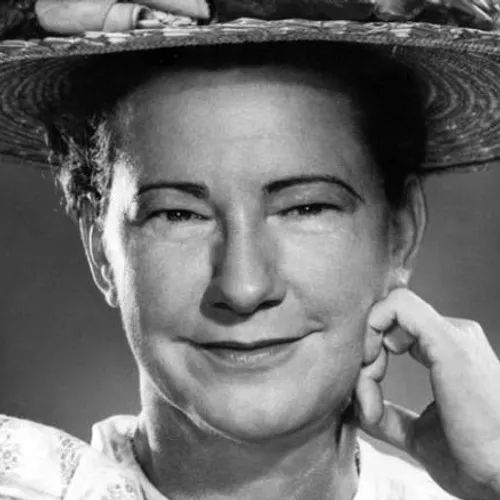
Minnie Pearl's comedy was a gentle, affectionate satire of rural Southern culture. Her signature look included frilly "down home" dresses and a hat with a dangling price tag ($1.98), symbolizing small-town practicality. Her trademark greeting, "Howdy! I'm just so proud to be here!" became instantly recognizable. Her comedy routines often centered on her fictional hometown of Grinders Switch, featuring self-deprecating humor about her attempts to attract "a feller" and stories about comical relatives like "Uncle Nabob" and "Aunt Ambrosia". Her performances blended storytelling, musical comedy, and an uncanny ability to capture the essence of rural Southern life.
Legacy and Cultural Impact
Beyond comedy, Minnie Pearl became a significant cultural figure. She appeared on numerous television shows, including Hee Haw, and was a regular on game shows and variety programs. Her influence extended to cancer research after her own battle with breast cancer, leading to the establishment of the Sarah Cannon Cancer Center. In 1992, she received the National Medal of Arts, and in 2002, she was ranked 14th on CMT's 40 Greatest Women in Country Music list. Her legacy inspired countless comedians and performers, including Reba McEntire, Dolly Parton, and others who followed her pioneering path.
Conclusion
Minnie Pearl was more than a comedian; she was a cultural ambassador who used humor to celebrate and gently mock rural Southern life. Her enduring popularity stemmed from her ability to create a character that was simultaneously hilarious and heartwarming, representing a slice of American culture with authenticity and love.
Works and Appearances
Radio
- Grand Ole Opry (1940-1991)
- Various comedy and music performances
Television
- Hee Haw (1969-1991)
- Nashville Now
- Multiple game show appearances
Albums
- Howdy! (1960)
- America's Beloved Minnie Pearl (1965)
- Lookin' Fer a Feller (1967)
Books
- Minnie Pearl's Diary (1953)
- Minnie Pearl: An Autobiography (1980)
- Minnie Pearl Cooks (1970)