Mike Douglas
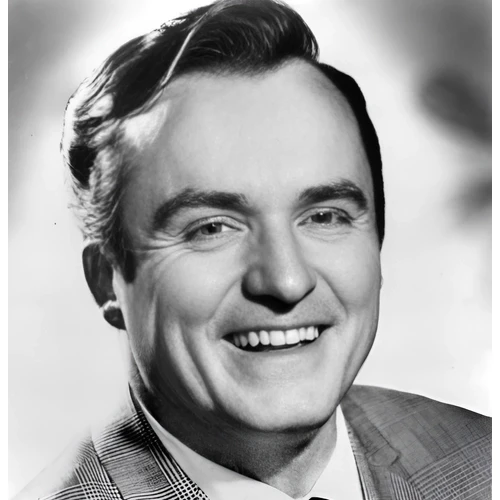
In the landscape of mid-20th century American entertainment, few personalities were as ubiquitous and influential as Mike Douglas. More than just a talk show host, he was a cultural touchstone who bridged the worlds of music, television, and popular culture during a transformative era in broadcasting.
Early Life and Musical Beginnings
Born Michael Delaney Dowd Jr. on August 11, 1920, in Chicago, Illinois, Douglas's journey to entertainment stardom began early. By his teenage years, he was already performing as a singer in nightclubs and on dinner circuits. His early professional career took a significant turn when he became a "staff singer" at a radio station, honing his skills and developing the smooth, engaging persona that would later define his television career. During World War II, Douglas served on a munitions ship, but quickly returned to performing after his military service. He joined Kay Kyser's big band as a singer, a pivotal moment that would shape his early career. Kyser was responsible for giving Douglas his professional name, and together they recorded notable hits like "Ole Buttermilk Sky" in 1946.
The Rise of a Television Icon
In 1961, Douglas's career took a transformative turn when he was hired as an afternoon television talk show host at KYW-TV in Cleveland. Earning just $400 per week, he rapidly gained popularity, leading to national syndication by August 1963. The show's innovative format involved inviting guests to co-host for an entire week, creating a dynamic and unpredictable viewing experience. By 1967, The Mike Douglas Show was broadcast to 171 markets, reaching 6,000,000 viewers daily. The program earned $10.5 million annually from advertisers, with Douglas himself earning over $500,000 per year. His approach was groundbreaking - he never "muzzled" his guests, allowing for genuine, sometimes controversial interactions that set his show apart from other talk shows of the era.
Breaking Cultural Barriers
Douglas was more than just an entertainer; he was a cultural catalyst. He hosted landmark interviews, including a significant conversation with Dr. Martin Luther King Jr. that revealed profound insights about civil rights and the Vietnam War. His show helped introduce emerging entertainers and provided a platform for diverse voices. Notable guests included John Lennon and Yoko Ono, who co-hosted for a full week in 1972, bringing avant-garde art and politically radical perspectives to mainstream television. Douglas's willingness to embrace unconventional guests demonstrated his progressive approach to entertainment.
Later Career and Legacy
After a remarkable 20-year run, Westinghouse canceled The Mike Douglas Show in 1981. Douglas continued his television career, hosting People Now for Turner Broadcasting System. In recognition of his contributions, he was honored with a star on the Hollywood Walk of Fame in February 1976. Douglas passed away on his 86th birthday, August 11, 2006, leaving behind a remarkable legacy in television. The Broadcast Pioneers of Philadelphia posthumously inducted him into their Hall of Fame, cementing his status as a broadcasting legend.
Works and Appearances
Radio
- Staff singer at various radio stations (1940s)
- Singer with Kay Kyser's Band (1940s-1951)
Television
- The Mike Douglas Show (1961-1981) - Host
- People Now (1982-1983) - Host
Film
- Svengali (1982) - Episode appearance
- The Governor (1976) - Role as The Governor
Books
- My Story (1979) - Memoir
- I'll Be Right Back: Memories of TV's Greatest Talk Show (1999) - Memoir
- The Mike Douglas Cookbook (1969)
Mike Douglas was more than a talk show host; he was a cultural bridge who helped shape American entertainment during a pivotal era of social and media transformation.