Mary Astor
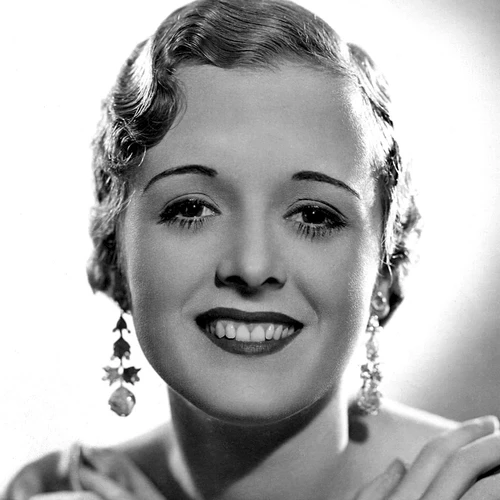
Mary Astor was a remarkable actress whose career spanned the transition from silent films to talkies, establishing herself as a versatile and compelling performer in Hollywood's most transformative era. Born Lucile Vasconcellos Langhanke on May 3, 1906, she would become one of the most respected actresses of her generation, navigating personal challenges and professional triumphs with remarkable resilience.
Early Life and Artistic Beginnings
Growing up in a family of educators, Astor was immersed in artistic pursuits from an early age. Her father, a German immigrant, taught her piano, a skill that would later prove useful in her film career. Her mother, who had always dreamed of becoming an actress herself, instilled in Astor a love for performance and dramatic expression. The young Lucile was academically gifted and showed early promise in artistic endeavors. Her musical talents were particularly noteworthy, with her father insisting she practice piano daily. These early experiences would shape her future career, providing her with discipline and creative expression that would serve her well in Hollywood.
Breaking into Hollywood's Silent Era
Astor's entry into film was remarkably early. As a teenager in the early 1920s, she began her motion picture career, quickly becoming noticed for her screen presence. When sound arrived in cinema, she initially faced challenges - her voice was considered too masculine, temporarily halting her screen work. Undeterred, Astor took voice training and singing lessons. Her breakthrough came through a recommendation by her friend Florence Eldridge, who helped her secure a stage role that demonstrated her vocal capabilities. Her voice was ultimately described as low and vibrant, allowing her to resume her film career.
Professional Triumphs and Personal Challenges
Throughout the 1930s and 1940s, Astor navigated both professional success and personal scandal. In 1936, her career was nearly derailed by a highly publicized custody battle that exposed her personal indiscretions. However, she demonstrated remarkable resilience, continuing to work and eventually winning an Academy Award for her performance in The Great Lie (1941). Her contract with MGM during this period was mixed. While she was consistently employed, she often felt typecast in what she called "Mothers for Metro" roles - supporting parts that she found uninspiring. Her frustration peaked with roles like Marmee March in Little Women (1949), which led her to decline contract renewal.
Later Career and Personal Transformation
The 1950s marked a significant period of personal and professional transformation for Astor. Struggling with alcoholism, she sought help and converted to Catholicism, crediting her recovery to a supportive priest who encouraged her to write about her experiences. She transitioned successfully to television and theater, appearing in numerous TV shows and making notable stage appearances. Her final film role came in Hush... Hush, Sweet Charlotte (1964), after which she retired, having completed 109 movies in a 45-year career.
Legacy and Final Years
Astor spent her retirement years in relative peace, living near her son and eventually moving to the Motion Picture & Television Country House and Hospital. She participated in a documentary about silent films and remained connected to the industry she had so significantly influenced. She passed away on September 25, 1987, leaving behind a remarkable legacy as an actress who had successfully navigated multiple eras of filmmaking.
Works and Appearances
Radio
While the provided contexts do not specify her radio works, her extensive film and television career suggests she likely had radio appearances, though specific details are not available in the given sources.
Film
- The Maltese Falcon (1941)
- The Great Lie (1941)
- Little Women (1949)
- Hush... Hush, Sweet Charlotte (1964)
Television
- The Missing Years (1954)
- Appearances on General Electric Theater
- Playhouse 90
- Kraft Theatre
Theater
- Among the Married
- Many Happy Returns (1945)
- The Starcross Story (1954)
Mary Astor's career was a testament to adaptability, talent, and perseverance in the ever-changing landscape of 20th-century entertainment.