Marjorie Main
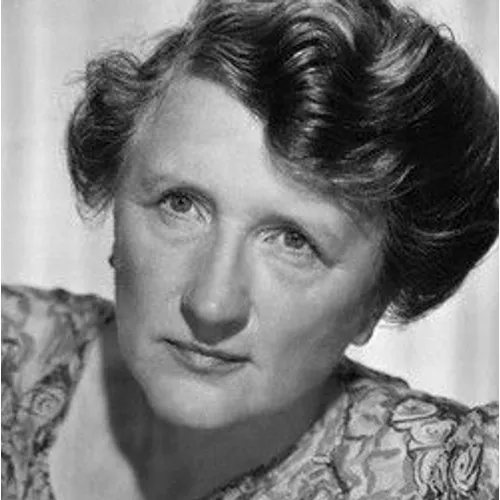
Marjorie Main was far more than just a Hollywood character actress; she was a multifaceted performer whose talents extended into the dynamic world of radio broadcasting. Though best known for her iconic film roles, particularly as Ma Kettle, Main's contributions to radio were equally compelling and showcased her remarkable versatility as an entertainer.
Early Life and Theatrical Roots
Born Mary Tomlinson on February 24, 1890, in rural Indiana, Main's journey to entertainment began with humble beginnings. The daughter of a reverend, she defied family expectations by pursuing a career in performance. After completing her dramatic arts training at the Hamilton School of Dramatic Expression, Main adopted her stage name to avoid embarrassing her family. Her early years were marked by a determination to break free from traditional expectations, touring with repertory companies and honing her craft in vaudeville and theater.
Radio Performances and Breakthrough
Main's radio career paralleled her rising film success. On December 15, 1941, she appeared on a significant radio program, demonstrating her ability to captivate audiences through sound alone. While detailed records of her radio performances are limited, her distinctive voice and comedic timing undoubtedly translated powerfully across the medium. Her participation in radio shows reflected the era's interconnected entertainment landscape, where performers frequently moved between stage, film, and radio.
Signature Performance Style
What distinguished Main in radio was her ability to create vivid, memorable characters. Known for portraying "raucous, rough, and cantankerous women" on-screen, her radio performances likely carried the same robust energy. Interestingly, those who knew her off-screen described her as "soft-spoken, shy, and dignified" - a testament to her remarkable acting range. Her radio work complemented her film career, allowing her to reach audiences through a different medium.
War Effort and Radio Contributions
During World War II, Main used her radio and film notoriety for patriotic purposes. In December 1942, she participated in promoting war bond sales, leveraging her public persona to support the U.S. War Department. Her radio appearances during this period were not just entertainment but also served a crucial national purpose, demonstrating the broader social role performers played during wartime.
Legacy in Broadcasting
While Main is predominantly remembered for her film roles, her radio work represents an important chapter in her artistic journey. She bridged the worlds of theater, film, and radio during a transformative period in American entertainment. Her ability to connect with audiences across different mediums made her a quintessential performer of her era.
Conclusion
Marjorie Main's radio career, though less documented than her film work, was an integral part of her artistic legacy. She embodied the versatility of mid-20th-century performers, seamlessly transitioning between mediums and captivating audiences with her unique comedic and dramatic talents.
Works and Appearances
Radio
- Unspecified Radio Program (December 15, 1941)
- Participated in war bond promotion broadcasts (1942)
Film
- The Egg and I (1947) - Ma Kettle
- Ma and Pa Kettle film series (1949-1957)
- Friendly Persuasion (1956)
Television
- December Bride (1956) - Herself
- Wagon Train (1958) - Cassie Tanner
Theater
- Dead End (1935)
- The Women (1936)
- Multiple Broadway productions (1916-1936)