Marjorie Anderson
In the golden age of radio broadcasting, few personalities embodied the spirit of British communication as distinctively as Marjorie Anderson. A pioneering radio presenter whose career spanned several transformative decades, Anderson became a beloved voice that guided listeners through some of the most challenging periods of 20th-century British history.
Early Life and Roots in Broadcasting
Born on 7 November 1913 in Kensington, London, Marjorie Enid Anderson emerged from a family with a strong sense of public service. Her father, Harold Anderson, was a naval intelligence officer who tragically died in Belgium, leaving young Marjorie to be raised by her mother, Charlotte Augusta Boyle Anderson, a property dealer. This early experience of resilience would later reflect in her professional demeanor. Anderson's path to broadcasting was carefully cultivated through formal training. She studied at a prestigious institution in London, earning a diploma in diction and drama. Her early career began as an actress, appearing in theatrical productions and even touring with a company in the United States in 1938.
Wartime Broadcasting and National Morale
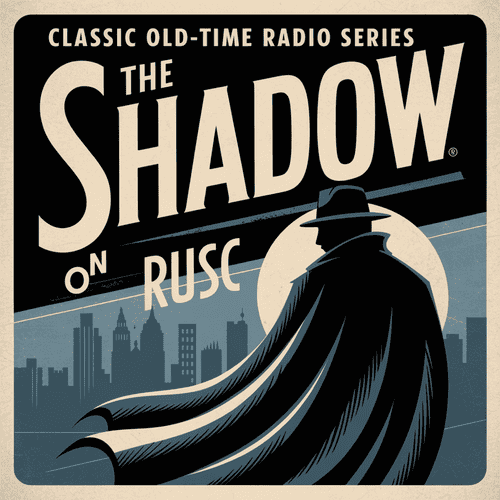
During World War II, Anderson became a crucial voice of comfort and connection for British audiences. From 1940 to 1945, she presented programs like Thank You for your Letters and Forces Favourites on the BBC, providing a lifeline of communication for soldiers and civilians alike. Her "disciplined, upbeat manner" was considered instrumental in maintaining national morale during those challenging years. Interestingly, her talents weren't confined to British radio. On American radio, she played Margot Lane, the female lead in the popular crime drama The Shadow from 1939 to 1940 and again from 1943 to 1944, demonstrating her versatility as a broadcaster.
The Golden Era of Woman's Hour
Perhaps Anderson's most significant contribution was her long-standing role as a presenter on Woman's Hour. From 1958 until her retirement in 1973, she became a familiar and trusted voice for generations of women. Between 1955 and 1968, she also presented Home for the Day, further cementing her reputation as a leading radio personality. Her career was not without challenges. As she developed a medical condition that progressively affected her speech, Anderson made the difficult decision to retire, ensuring she maintained the high standards of broadcasting she was known for.
Legacy and Recognition
Anderson's contributions to British radio were substantial and widely recognized. She was inducted into the Radio Academy's Hall of Fame and was appointed MBE (Member of the Order of the British Empire), acknowledging her significant cultural impact. In her personal life, Anderson married advertising executive Anthony Sykes in 1947, with whom she had a son, Jeremy, born in 1948. She was widowed in 1961 when Sykes passed away, and she herself died in 1999 at the age of 86, leaving behind a remarkable broadcasting legacy.
Conclusion
Marjorie Anderson represented more than just a radio presenter; she was a voice of continuity, comfort, and connection during some of Britain's most tumultuous decades. Her career bridged wartime communication, entertainment, and social dialogue, making her an iconic figure in British broadcasting history.
Works and Appearances
Radio
- Forces Favourites (1940-1945)
- Thank You for your Letters (1940-1945)
- Family Favourites (Postwar)
- Home for the Day (1955-1968)
- Woman's Hour (1958-1973)
American Radio
- The Shadow as Margot Lane (1939-1940, 1943-1944)
Stage
- Theatrical tour in the United States (1938)