Margot Stevenson
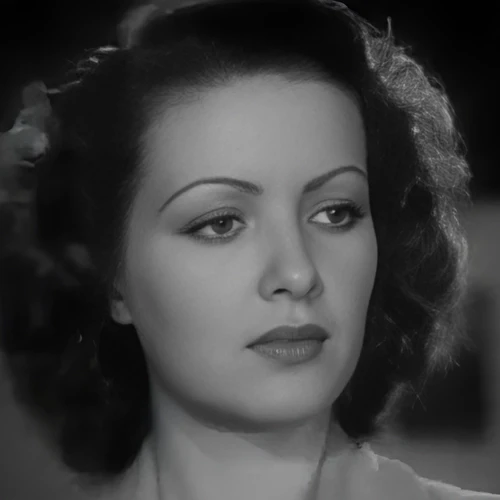
In the golden age of radio and theater, few performers could match the versatility and longevity of Margot Stevenson. A consummate actress who seamlessly navigated radio, stage, and screen, Stevenson's career spanned nearly five decades, embodying the dynamic spirit of mid-20th century American entertainment.
Early Life and Theatrical Roots
Born Margaret Helen Stevenson on February 8, 1912, in New York City, she emerged from a unique family background. Her father, Charles Alexander Stevenson, was a 60-year-old actor when Margot was born, while her mother Frances Riley was just 22 . This artistic lineage would profoundly influence her future career. Stevenson's early educational path took an unexpected turn when world events intervened. She was on the verge of enrolling at Bryn Mawr College when circumstances prompted her to pursue acting as a means of earning income instead . This decision would prove pivotal, launching a remarkable performance career.
Radio and Stage: A Multifaceted Performance Career
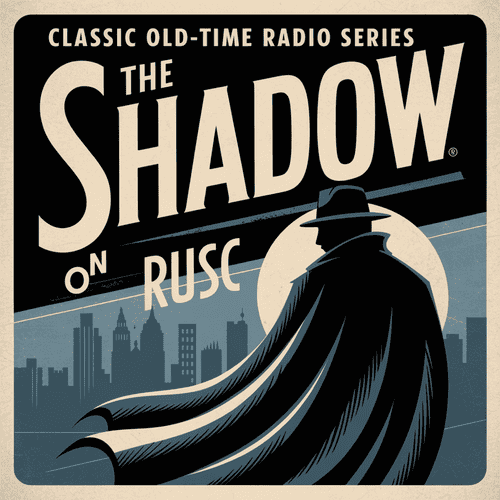
Stevenson made her Broadway debut in 1932, quickly establishing herself as a versatile stage actress. Her Broadway credits were impressively extensive, including landmark productions like You Can't Take It With You (1936), Stage Door (1936), and The Royal Family (1975) . Her stage work demonstrated remarkable range and adaptability across different theatrical genres. In the realm of radio, Stevenson became particularly notable for her work on The Shadow, a popular radio drama series. Her radio performances showcased her ability to bring characters to life through voice alone, a critical skill in the era of audio broadcasting . Beyond The Shadow, she appeared on numerous radio programs, further cementing her reputation as a skilled radio performer.
Transition to Screen and Television
While primarily known for stage and radio, Stevenson also made significant inroads into film and television. Her film career included roles in movies like Valley of the Dolls (1967) and Going in Style (1979), often in supporting but memorable characters . Her television work included appearances in productions like The Philco Television Playhouse and Voyage to the Bottom of the Sea .
Personal Life and Later Years
Stevenson's personal life was marked by two marriages. Her second husband, Val Avery, whom she married in 1953, passed away in 2009 . In her later years, she faced significant personal challenges, becoming blind by the late 1990s. She passed away on January 2, 2011, in Manhattan, at the remarkable age of 98 .
Legacy and Impact
Margot Stevenson represented a remarkable generation of performers who bridged multiple entertainment mediums. Her ability to excel in radio, theater, film, and television made her a quintessential mid-20th century American performer. Her extensive body of work and remarkable longevity serve as a testament to her talent and adaptability.
Works and Appearances
Radio
- The Shadow (1938) - Notable radio adaptation performance
Broadway Productions
- You Can't Take It With You (1936)
- Stage Door (1936)
- The Royal Family (1975)
- Hostile Witness (1966)
- Little Women (1944)
Film
- Valley of the Dolls (1967) - Anne's Mother
- Going in Style (1979) - Store Cashier
- Calling Philo Vance (1940) - Hilda Lake
Television
- The Philco Television Playhouse (1954-1955)
- Voyage to the Bottom of the Sea (1965)
- How to Be a Perfect Person in Just Three Days (1983)
Margot Stevenson's career exemplified the dynamic, multifaceted nature of mid-20th century American entertainment, making her a true icon of her era.