Mae West
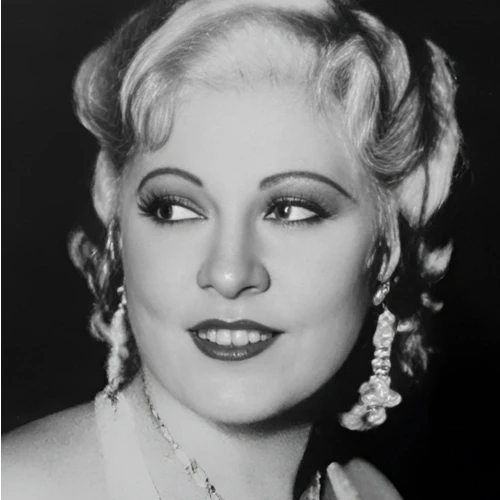
Mae West was far more than just a Hollywood icon; she was a groundbreaking radio personality who challenged the conservative broadcasting standards of her era. Her distinctive voice, risqué humor, and unapologetic sexuality made her a controversial yet immensely popular figure in early radio broadcasting.
Early Life and Theatrical Roots
Born Mary Jane West on August 17, 1893, in Brooklyn, New York, Mae West was destined for performance from an early age. Her parents, Mathilde and John Patrick West, provided a complex backdrop to her early life. Her mother, a German immigrant, and her father, a former prizefighter, created an environment that would shape West's bold personality. West began her career in vaudeville and theater, developing a performance style that was both provocative and comedic. Her stage plays, such as Sex and Diamond Lil, established her reputation as a boundary-pushing artist who was unafraid to challenge societal norms.
Breaking into Radio Broadcasting
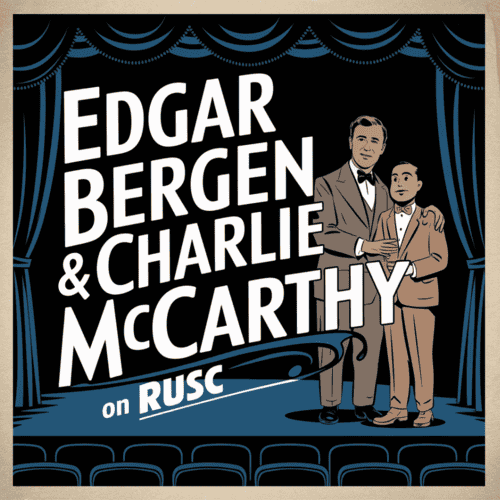
West's transition to radio was marked by both tremendous popularity and significant controversy. On December 12, 1937, she appeared on Edgar Bergen's radio show, delivering her trademark witty and sexually charged dialogue. In one memorable sketch, she flirted with Bergen's dummy Charlie McCarthy, making risqué comments that pushed the boundaries of acceptable radio entertainment. Her radio performances were so provocative that they frequently drew criticism. Conservative women's clubs and religious groups condemned her appearances, calling them "immoral" and "obscene". The backlash was so intense that NBC Radio banned West and even prohibited mentioning her name on their stations.
Navigating Censorship and Controversy
Despite facing significant censorship, West remained defiant. She once famously stated, "I believe in censorship. I made a fortune out of it." Her ability to generate publicity through controversy became a hallmark of her career. Her radio performances were carefully crafted to be both humorous and provocative. She used double entendres and sexual innuendos that challenged the conservative broadcasting standards of the time. This approach not only entertained audiences but also made her a cultural icon who challenged societal norms around sexuality and entertainment.
Legacy in Broadcasting and Beyond
West's radio career was relatively short but incredibly impactful. She did not return to radio until January 1950, when she appeared on a program hosted by Don Ameche. However, her influence extended far beyond radio. She continued to perform in various media, including stage shows, nightclubs, and television. In 1958, she made a memorable televised performance of a song, receiving a standing ovation. Her resilience and ability to reinvent herself across different entertainment platforms solidified her status as a true entertainment pioneer.
Conclusion
Mae West was more than just a radio personality; she was a cultural revolutionary who used humor and sexuality to challenge societal norms. Her radio performances were groundbreaking, pushing the boundaries of what was considered acceptable entertainment in her time.
Works and Appearances
Radio
- Edgar Bergen Show (1937)
- Various radio appearances (1937-1950)
Television
- Back Lot U.S.A. (1976)
- Guest appearances on various shows (1950s-1970s)
Film
- She Done Him Wrong (1933)
- Klondike Annie (1936)
- Sextette (1978)
Stage
- Diamond Lil (multiple Broadway runs)
- Various nightclub performances (1940s-1950s)
Books
- Goodness Had Nothing to Do With It (1959)
- Sex, Health, and ESP (1975)
Mae West's legacy continues to inspire performers who challenge societal conventions and push artistic boundaries.