Louise Fitch
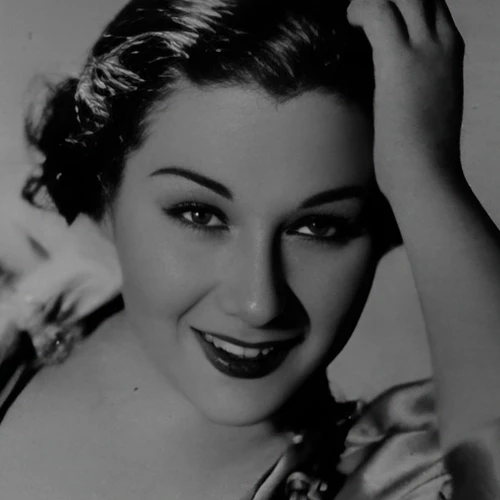
In the vibrant world of mid-20th century broadcasting, Louise Fitch emerged as a versatile and resilient actress who navigated the complex landscape of radio, television, and film with remarkable skill and determination. Born in Omaha, Nebraska, on October 18, 1914, Fitch would become a notable figure in the entertainment industry, particularly renowned for her extensive work in radio drama.
Early Years and Artistic Beginnings
Growing up in a Jewish immigrant family, Louise Fitch showed early promise as a multitalented individual. At Creighton University, she distinguished herself as a beauty queen, newspaper editor, and accomplished violinist. Initially pursuing a different career path, Fitch's trajectory changed when opportunities in acting presented themselves. Her involvement with the university's dramatics society helped her develop crucial acting skills, with her stage debut occurring unexpectedly when she stepped in for a sick leading lady. During her college years, Fitch gained valuable performance experience by acting with a local theater company, laying the groundwork for her future broadcasting career. Her natural talent and versatility would soon find her a perfect home in the dynamic world of radio drama.
The Golden Age of Radio
Fitch's entry into radio was serendipitous. While working as a copywriter at a local station, she accidentally auditioned for a role during a visit to a friend in Chicago, landing her first radio acting part as Nancy in an unnamed production. This chance encounter launched her into a prolific radio career. Throughout the 1930s and 1940s, Fitch became a familiar voice in numerous popular radio programs. Her impressive repertoire included roles in shows like Arnold Grimm's Daughter, Bachelor's Children, Guiding Light, and The Romance of Helen Trent. She portrayed a wide range of characters, from Bernice Farriday to Gloria Grant, demonstrating her remarkable versatility as a voice actress. Interestingly, by late 1937, Fitch had already turned down two film offers, preferring to remain dedicated to her radio work. This commitment highlighted her passion for the medium and her belief in its artistic potential.
Navigating the Hollywood Blacklist
The 1950s presented significant challenges for Fitch with the rise of McCarthyism and the Hollywood blacklist. Her name appeared in Red Channels, a notorious pamphlet identifying supposed communists in the entertainment industry. Despite cooperating with investigations and maintaining her innocence, Fitch found herself struggling to secure substantial acting roles. During this difficult period, she persevered by accepting minor roles in horror films and television series. By the 1960s, as the blacklist's influence waned, Fitch gradually returned to more regular work, showcasing her resilience and professional adaptability.
Later Career and Personal Life
Beyond her professional achievements, Fitch's personal life was equally dynamic. She was married twice - first to attorney Jerome Rosenthal (with whom she had a daughter) and later to writer Jerry D. Lewis, with whom she had two more children. On September 11, 1996, she passed away in Venice, Los Angeles, at the age of 81, leaving behind a rich legacy in broadcasting.
Works and Appearances
Radio
- Arnold Grimm's Daughter - Bernice Farriday
- Bachelor's Children - Anne Beacham
- Big Sister - Margo Kirkwood
- Guiding Light - Rose Kransky
- The Romance of Helen Trent - Gloria Grant
Television
- Unnamed CBS drama (Nurse Bascomb)
- Various guest roles in 1950s and 1960s TV series
Film
- Unnamed horror films (1957)
- Various supporting roles
Louise Fitch's career exemplifies the resilience, talent, and adaptability required of performers during radio's golden age and the challenging McCarthy era. Her story is a testament to the enduring spirit of artists who continued to create and perform despite significant professional obstacles.