Knox Manning
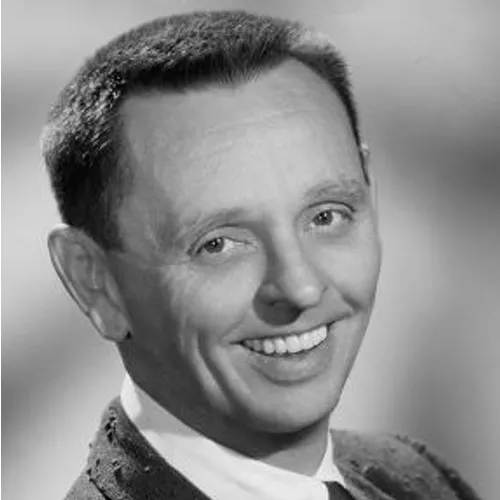
In the golden age of radio and early cinema, few voices were as distinctive and versatile as Knox Manning. A multi-talented performer who seamlessly transitioned between radio announcing, film narration, and entertainment production, Manning became a quintessential audio storyteller of mid-20th century America.
Early Life and Radio Beginnings
Born Charles Knox Manning on January 17, 1904, in Worcester, Massachusetts, Manning's journey into broadcasting began during a transformative period in American media. While details of his early life remain sparse, his natural talent for communication quickly became apparent. Manning's distinctive voice and engaging delivery would soon become his professional trademark. By the late 1930s, Manning had established himself as a prominent radio performer and producer. His work spanned multiple genres, from news broadcasting to entertainment programming. He developed several notable radio shows that captured the public's imagination, including The Knox Manning Show, also known as Cinderella Story, which chronicled the rise of Hollywood celebrities.
Pioneering Narration and Voice Work
Manning's career truly flourished in the realm of narration. His remarkable vocal talents made him one of the most sought-after voice artists in the entertainment industry. From 1940 to 1954, he was the primary narrator for Columbia Pictures' popular adventure serials, delivering scripts with remarkable enthusiasm and a unique blend of urgency and wit. His work extended beyond film narration. Manning was particularly renowned for his contributions to Flicker Flashbacks, a series of antique silent films re-edited with satirical soundtracks. Trade reviewers consistently praised his exceptional comic timing, highlighting his ability to bring humor and personality to historical footage.
Multimedia Career and Versatility
Manning's professional versatility set him apart from his contemporaries. Beyond radio and film narration, he worked as a newscaster and developed innovative programming. His Behind the Scenes program featured dramatized recreations of historical news events, while This Is the Story explored various aspects of American life. In the early 1950s, Manning transitioned into television and corporate work. He joined Warner Brothers' publicity department, lending his distinctive voice to TV commercials promoting the studio's feature films. Though he appeared on-screen in only a handful of productions, his impact on media storytelling was profound.
Leadership and Professional Contributions
Beyond his performance work, Manning was a significant figure in broadcasting unions. He served as president of the American Federation of Television and Radio Artists (AFTRA) from 1950 to 1952, a period of significant growth and transformation in the entertainment industry.
Legacy and Impact
Knox Manning represented the quintessential mid-century media professional—adaptable, talented, and integral to the evolving landscape of American entertainment. His work bridged radio's golden age with the emerging television era, leaving an indelible mark on broadcast history. Manning passed away on August 26, 1980, in Woodland Hills, Los Angeles, leaving behind a rich legacy of storytelling and performance.
Works and Appearances
Radio
- The Knox Manning Show (aka Cinderella Story)
- Behind the Scenes
- This Is the Story
- Various news broadcasting roles (1940s-1960s)
Film Narration
- Columbia Pictures adventure serials (1940-1954)
- Flicker Flashbacks (narrator for over half the series)
- Numerous short subject documentaries and promotional films
On-Screen Appearances
- Tanks a Million (1941)
- Navy Blues (1942)
- People Are Funny (1946)
Television
- Warner Brothers film promotional commercials
- Various news and entertainment programs
Knox Manning's multifaceted career exemplifies the dynamic world of mid-20th century American media, where talent, versatility, and a compelling voice could open doors across multiple entertainment platforms.