Keefe Brasselle
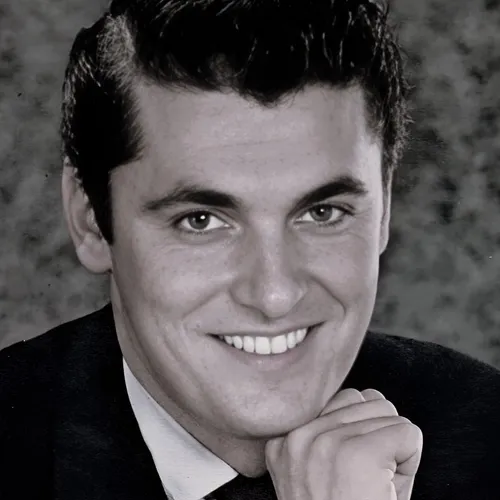
In the tumultuous world of mid-20th century entertainment, few personalities embodied ambition and controversy quite like Keefe Brasselle. A multi-talented performer who navigated the treacherous waters of radio, film, and television, Brasselle's career was a testament to both remarkable determination and complex professional relationships.
Early Life and Theatrical Roots
Born Henry Keefe Brassil on February 7, 1923, in Elyria, Ohio, Brasselle emerged from a uniquely artistic background. His father, Henry Richard Brassil, was an Irish hotel manager in Cleveland, while his mother, Madelaine Antonelli, was an Italian nightclub singer from New York. Raised primarily by his mother and stepfather Harold Prindle in New York, Brasselle was deliberately groomed for a career in show business from an early age. His professional journey began when he joined the U.S. Army in 1942, where he first appeared in motion pictures without screen credit. Just days after separating from military service in September 1944, Brasselle auditioned for a juvenile lead role, leveraging his dark, chorus-boy looks to secure early opportunities in the entertainment industry.
Radio and Early Performance Career
Brasselle's early career was marked by strategic networking and familial connections. His mother, working as a hairdresser, helped secure crucial introductions. A pivotal moment came when Betty Grable personally recommended Brasselle, providing him with significant professional momentum. His radio appearances began to establish his presence in the entertainment world. By 1952, he was featured on programs like Stars in the Air, gradually building his reputation as a versatile performer. However, his most significant early break came through film, with roles in various productions that showcased his emerging talent.
Television and Controversial Productions
Brasselle's most notorious period came during his television production years. In 1963, he starred in The Keefe Brasselle Show, a summer replacement series that featured emerging talents like a 21-year-old performer promoting her first album. His most controversial achievement was his relationship with CBS executive William Paley. Through sheer audacity, Brasselle secured three untested television series for his production company, Richelieu Productions. These shows received prime time slots despite poor ratings, a move that ultimately led to significant corporate drama.
Later Career and Personal Challenges
As his television opportunities waned, Brasselle diversified his approach. He turned to nightclubs, performing as a singer and comedian. In 1974, he even directed a low-budget comedy film that, despite scathing reviews, became surprisingly profitable among college audiences. Brasselle's personal life was as dynamic as his professional one. He was married twice - first to Norma Jean Aldrich from 1942 to 1956, and then to singer Arlene DeMarco from 1956 to 1967. Throughout his life, he remained politically active and maintained strong personal convictions.
Legacy and Final Years
Keefe Brasselle's legacy is complex - a performer who combined remarkable ambition with controversial methods. He authored two novels, The CanniBal$ (1968) and The Barracudas (1973), which provided thinly veiled accounts of his industry experiences. Tragically, Brasselle passed away in 1981 at the age of 58, leaving behind a career that epitomized both the opportunities and challenges of mid-20th century entertainment.
Works and Appearances
Radio
- Stars in the Air (1952)
Film
- The Eddie Cantor Story (1953) - Lead Role
- If You Don't Stop It... You'll Go Blind (1975) - Final Film Role
Television
- The Keefe Brasselle Show (1963)
- Various CBS productions (1964-1965)
Literature
- The CanniBal$ (1968)
- The Barracudas (1973)