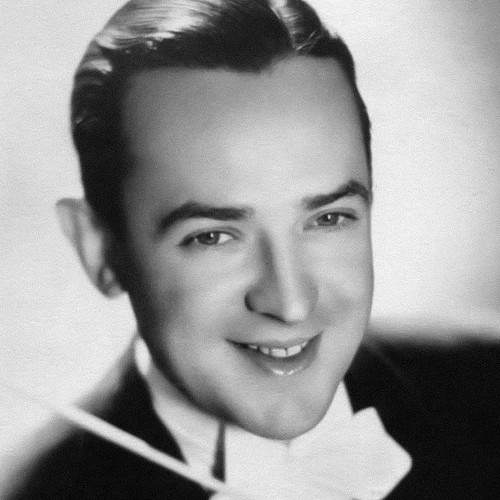
Jimmy Dorsey
In the vibrant world of mid-20th century American music, Jimmy Dorsey emerged as a transformative figure whose saxophone prowess and innovative band leadership would reshape the landscape of jazz and popular music. More than just a musician, Dorsey was a radio personality who captivated audiences across the United States during the golden age of broadcasting.
Early Life and Musical Beginnings
Born James Francis Dorsey on February 29, 1904, in Shenandoah, Pennsylvania, Jimmy was destined for musical greatness from an early age. His father, Thomas Francis Dorsey, initially a coal miner, became a music teacher and marching band director who recognized and nurtured his sons' musical talents. By the age of seven, Jimmy was already performing with his father's band, demonstrating a prodigious musical ability that would define his career. Jimmy's musical journey began with the clarinet, and he quickly distinguished himself by using a unique fingering system different from his contemporaries. His early public performance at age nine with J. Carson McGee's King Trumpeters in New York marked the beginning of a remarkable musical career. Throughout his teenage years, he mastered multiple instruments, including saxophone, clarinet, and trumpet.
Rise to Radio and Big Band Prominence
The 1920s saw Jimmy Dorsey emerging as a versatile and sought-after musician. Alongside his brother Tommy, he formed Dorsey's Novelty Six, one of the first jazz bands to broadcast on radio. His freelance work in radio and recordings during this period established him as a prominent jazz musician. In 1930, Dorsey's career took a significant leap when he joined Paul Whiteman's orchestra and toured Europe. His clarinet performance on the iconic jazz standard "Singin' the Blues" would later be inducted into the Grammy Hall of Fame, cementing his musical legacy.
The Jimmy Dorsey Orchestra and Radio Success
By 1935, after a dramatic onstage disagreement with his brother Tommy, Jimmy formed Jimmy Dorsey and His Orchestra. The band quickly became a radio staple, particularly through their collaboration with Bing Crosby on his radio show. From December 1935 to July 1937, the band appeared on 73 programs, backing Crosby on both radio and commercial recordings. The orchestra's unique sound, featuring vocalists Bob Eberly and Helen O'Connell, produced numerous hits. Their innovative three-part recording format, which featured both singers and the full band, became a hallmark of their success. Latin-influenced songs like "Amapola", "Maria Elena", and "Green Eyes" topped the charts in 1941.
Later Career and Television Breakthrough
In the 1950s, Jimmy Dorsey adapted to changing musical landscapes. After his brother Tommy's death in 1956, he took over leadership of the Dorsey Brothers Orchestra. The brothers' television variety show, Stage Show, made history by featuring Elvis Presley's network television debut in January 1956. Tragically, Jimmy was diagnosed with a serious illness and passed away on June 12, 1957, in New York City. His final hit, "So Rare", reached number two on the charts and sold 500,000 copies, symbolizing his enduring musical relevance.
Legacy and Influence
Jimmy Dorsey is remembered as one of the most important alto saxophone players of the Big Band and Swing era. Jazz saxophonists like Stan Getz and Zoot Sims acknowledged him as a significant influence. His innovative musical approach and ability to adapt to changing musical trends set him apart as a true pioneer.
Works and Appearances
Radio
- Bing Crosby Show (1935-1937)
- Various radio broadcasts with Dorsey Brothers Orchestra
Television
- Stage Show (1954-1956)
Films
- The Fabulous Dorseys (1947)
- That Girl From Paris (1936)
- Dancing Feet (1936)
Recordings
- Numerous hit singles including "Amapola", "Green Eyes", "Brazil"
- V-Disc recordings during World War II
Jimmy Dorsey's remarkable journey from a small Pennsylvania town to becoming a national radio and music icon remains a testament to his extraordinary talent and adaptability.