Jerry Goldsmith
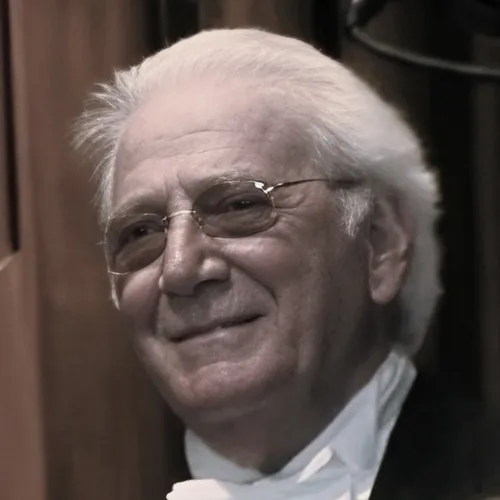
Jerry Goldsmith was not just a composer, but a revolutionary force in musical storytelling across radio, television, and film. His remarkable journey from a young music enthusiast to one of the most influential composers of the 20th century is a testament to his extraordinary talent and innovative spirit.
Early Musical Beginnings and Inspiration
Born Jerrald King Goldsmith on February 10, 1929, in Los Angeles, California, he showed an early aptitude for music. Starting piano at age six, Goldsmith became serious about his musical education by eleven. He studied privately with concert pianist Dr. Israel Citkowitz and by sixteen was learning composition under Italian composer Mario Castelnuovo-Tedesco. A pivotal moment came when Goldsmith saw the 1945 film Spellbound, which inspired him by composer Miklós Rózsa's unconventional score. This experience crystallized his desire to pursue a career in music composition. He briefly attended the University of Southern California, where he took courses from Rózsa, but ultimately chose a more practical music program that allowed him to develop diverse musical skills.
Breaking into Radio and Television
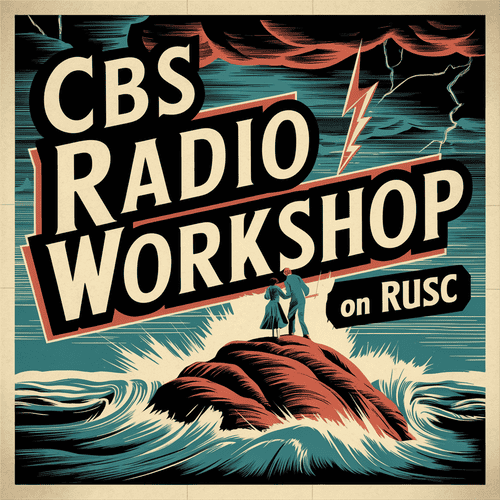
In 1950, Goldsmith found his initial professional opportunity at CBS, starting as a clerk typist in the network's music department. Through a creative workshop that allowed employees to produce radio shows, he began writing scores for radio programs like Romance and others. His talent quickly became apparent, and within six months, the music department recognized his potential and offered him a formal position. During his time at CBS, Goldsmith progressed to scoring live television shows and multiple episodes of various series. He remained with the network until 1960, developing his craft and establishing himself as a versatile musical talent.
Expanding into Film and Innovative Composition
Goldsmith's career truly blossomed in the 1970s and 1980s, where he became renowned for his innovative approach to film scoring. He was particularly celebrated for blending traditional orchestration with synthetic elements, creating unique soundscapes for science fiction and fantasy films. His ability to adapt and experiment was legendary. As Goldsmith himself noted, "I like to keep changing, trying to do new things. Basically, I'm saying the same thing with a little different twist on it." This philosophy led him to compose groundbreaking scores for films like Alien, Star Trek, and Poltergeist, often incorporating electronic and unconventional musical techniques.
Legacy and Recognition
Throughout his career, Goldsmith received an astounding 18 Oscar nominations, though he won only once for The Omen in 1976. His influence extended far beyond his own compositions. Fellow composer John Debney noted that Goldsmith "more than any other composer bridged the gap between the old Hollywood scoring style and the modern film composer". On May 9, 2017, Goldsmith was posthumously honored with a star on the Hollywood Walk of Fame, cementing his status as a legendary figure in musical composition.
Conclusion
Jerry Goldsmith's journey from a young piano student to a revolutionary film composer represents a remarkable narrative of artistic innovation. His willingness to constantly evolve, experiment with new techniques, and push musical boundaries made him not just a composer, but a true pioneer who transformed how we understand musical storytelling in media.
Works and Appearances
Radio
- CBS Radio Workshop (1950-1960)
- Romance (Radio Show)
Television
- Multiple unnamed CBS television shows
- Various television series scoring projects
Film Scores (Selected)
- Star Trek franchise (multiple films)
- Alien (1979)
- Poltergeist (1982)
- Gremlins (1984)
- Total Recall (1990)
Theme Compositions
- Universal Studios Centennial Logo
- Disney attraction Soarin' musical score
Jerry Goldsmith passed away on July 21, 2004, leaving behind a legacy that continues to inspire musicians and composers worldwide