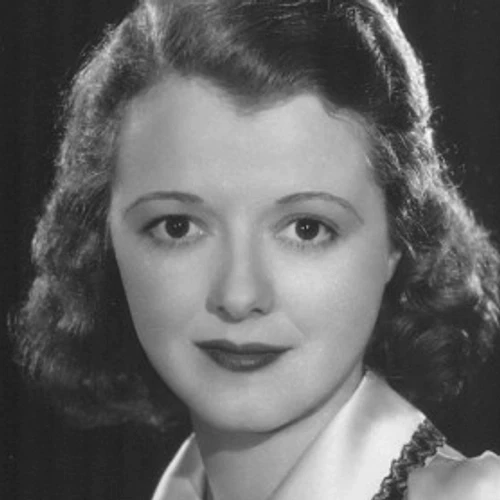
Janet Gaynor
Janet Gaynor was a remarkable actress whose career spanned the golden ages of silent film, talkies, and early radio broadcasting. Her journey from a young Philadelphia girl to Hollywood's first Best Actress Oscar winner is a testament to her extraordinary talent and adaptability in the rapidly evolving entertainment landscape of the early 20th century.
Early Life and Theatrical Beginnings
Born Laura Augusta Gainor on October 6, 1906, in Philadelphia, Janet Gaynor's path to entertainment was shaped early by her theatrical family. Her father, a theatrical painter, began teaching her performance skills as a toddler, introducing her to singing, dancing, and acrobatics. As a child in Philadelphia, Gaynor discovered her passion for acting through school plays, laying the groundwork for her future career. After her parents' divorce in 1914, Gaynor moved with her mother and sister to Chicago, and subsequently to San Francisco. These early experiences of mobility and adaptation would serve her well in her future entertainment career, helping her navigate the complex world of Hollywood and radio performance.
Rise to Cinematic Stardom
Gaynor's breakthrough came in the silent film era, where she quickly became one of Hollywood's most beloved actresses. Her image was that of a sweet, wholesome performer who brought remarkable depth and sensitivity to her roles. In 1929, she made history by becoming the first recipient of the Academy Award for Best Actress, winning for her performances in three different films - a unique occurrence that would never be repeated. Her successful transition to sound films was notable, as she was one of the few established lead actresses who managed this challenging shift seamlessly. By the early 1930s, she was not just a star but a top box office draw, often compared to Mary Pickford and even surpassing other prominent actresses of her time.
Radio Performance and Promotional Work
While primarily known for her film work, Gaynor was also an active radio performer. Her most significant radio work came through Lux Radio Theater, where she often reprised her film roles. Most notably, she recreated her iconic role of Esther Blodgett from A Star Is Born in a 1937 radio production, bringing the character's emotional journey to audio audiences. Gaynor participated in various radio programs, including adaptations of stage plays and film promotions. Her radio appearances were not just performances but strategic extensions of her film career, helping to maintain her public profile and connect with audiences between film projects.
Later Career and Artistic Pursuits
After retiring from film at the peak of her career in 1939, Gaynor explored other artistic endeavors. She became an accomplished oil painter, selling over 200 paintings and holding exhibitions in major cities. Her brief return to acting in the 1950s included television appearances and a stage debut, demonstrating her continued versatility as a performer.
Legacy and Impact
Janet Gaynor's legacy extends far beyond her film and radio work. She was a pioneering actress who successfully navigated multiple entertainment mediums, from silent films to talkies, radio, television, and stage. Her ability to reinvent herself and maintain relevance across changing entertainment landscapes made her a truly remarkable figure of 20th-century American entertainment.
Works and Appearances
Radio
- Lux Radio Theater
- A Star Is Born (1937) - Esther Blodgett
- Mayerling - Marie Vetsera
- Mrs. Moonlight
Film
- 7th Heaven (1927)
- Street Angel (1928)
- Sunrise: A Song of Two Humans (1927)
- A Star Is Born (1937)
Television
- Various live television series in the 1950s
- Final TV appearance in an anthology series episode (1980)
Stage
- The Midnight Sun (1959)
- Harold and Maude stage adaptation (1980)
Janet Gaynor passed away on September 14, 1984, leaving behind a rich legacy of performance across multiple entertainment platforms.