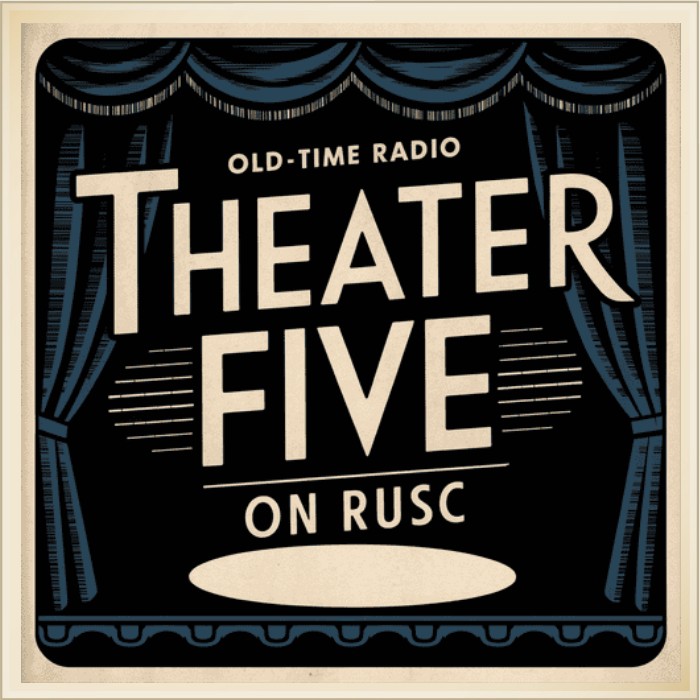
A product of the ABC network, the show aired from August 3, 1964, to July 30, 1965, offering audiences a new and eclectic mix during a time of rapid social transformation in America. With approximately 260 episodes produced, Theater Five presented a unique listening experience marked by its fast-paced storytelling and a slick, modern aesthetic.
One of the defining characteristics of Theater Five was its 20-minute episode format, tailored for a quickly shifting audience. This brevity presented both opportunities and limitations for the writers. While it allowed for quick, engaging tales, it also constrained plot development, resulting in many stories that leaned towards simplicity rather than complexity. The series was suffused with a racy, jazzy sound, highlighted by a dynamic theme reminiscent of "Peter Gunn," creating an unmistakable aura of the era.
The program eschewed the use of household name stars in favor of a rotating cast of talented character actors. This decision fostered an environment ripe for fresh talent, giving actors like Elliott Reid, Arlene Francis, and a young Yaphet Kotto an opportunity to shine. By emphasizing character actors over marquee names, Theater Five cultivated a unique style that resonated with its listeners while remaining economical in terms of production.
Under the stewardship of executive producer Ed Byron, Theater Five actively sought to attract top-notch writing talent by offering contracts above the union scale. The scripts were predominantly original, with a few adaptations from earlier radio plays, an approach that encouraged creativity. Friend of RUSC, Robert, stated...
"Not your typical radio drama at all. The writers are outstanding. The plots keep you on the edge of your seat and the endings are often unexpected, and quite ironic. Excellent series so far from the few that I've listened to."
Theater Five demonstrated a remarkable range of genres, traversing science fiction, murder mysteries, and supernatural tales. Each episode provided an engaging narrative that reflected contemporary American tastes. The choice to encompass various themes allowed the series to appeal to a wide audience, though the rapid pace inevitably impacted the complexity of the storytelling.
The social context of the 1960s played a significant role in shaping the content of the dramas. Many episodes reflected the concerns of the time, grappling with themes of war, societal change, and the human condition. While the dramas often played it safe by sticking to simpler narratives, they offered critical commentary and entertained listeners, marking a significant shift in radio storytelling.
Although Theater Five did not achieve the same level of acclaim as its Golden Age predecessors, it provides a noteworthy glimpse into the evolving landscape of American radio. The series foreshadowed the decline of the medium in the face of television's rise to dominance—a challenge that would redefine how stories were consumed.
While not as celebrated today, Theater Five represents a critical period in radio history, highlighting the adaptability of the medium as it responded to a shifting cultural landscape.
Today, 255 of the 260 episodes produced are extant and can be heard on RUSC. They offer a rich resource for enthusiasts and historians alike, allowing contemporary audiences to appreciate the craftsmanship and innovation that shaped radio drama during this dynamic period. Let me know what you think in the comments below or leave a comment under the episodes themselves to let others know what you think. Thank you and...
Happy Listening,