Produced by Bruce Eells Associates and syndicated to NBC radio stations along the West Coast, this series may have had a brief run of just 39 episodes, but it laid down the foundational structure for the police procedural format that would later enthrall audiences across generations.
Comprising approximately 15-minute episodes, Police Headquarters adeptly maintained audience engagement within a tight timeframe. Each installment commenced with a stirring musical segment, followed by brief commercial announcements, before diving into a tightly scripted, 12-minute dramatization. This self-contained structure made it remarkably easy for listeners to pick up the show at any point without needing to familiarize themselves with prior episodes, a design choice that added to its accessibility and appeal.
At the heart of Police Headquarters was a compelling premise: a citizen dialing in to report a crime. This act set off a sequence of events that spotlighted the police using modern technology of the time—specifically, two-way radios—to orchestrate dragnet operations, chase down leads, and ultimately bring perpetrators to justice. Each episode, while inspired by real incidents, concluded with a neat resolution, often showcasing the police’s triumphs regardless of the actual outcomes in history.
The crimes featured in the narrative varied widely, ranging from murder to bank robbery and even blackmail and forgery. While many episodes concentrated on the strategies law enforcement used to apprehend criminals, some delved deeper into the methodologies of suspect identification, providing a nuanced view of the law enforcement landscape during the early 1930s. This was a time when radio communication was still making waves as a vital law enforcement tool.
The episodes of Police Headquarters are memorable not just for their storytelling but also for the intriguing titles that capture the essence of the plots. Some notable episodes include:
- Red Dugan Murder - Laundry Truck Kidnapping - The Warehouse Job - Stolen Brain - Death of a Mystery Writer
These titles alone hint at a riveting blend of suspenseful narratives and crime-fighting techniques from an era that was markedly different from today.
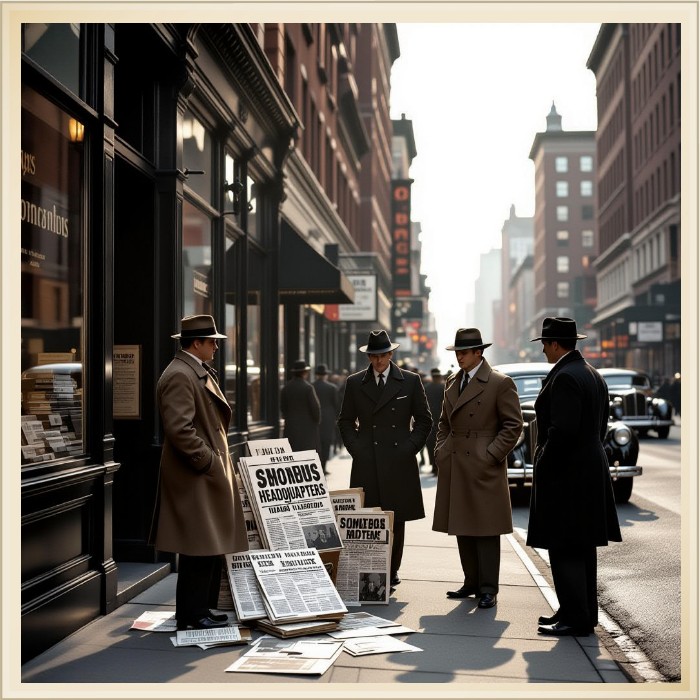
What makes Police Headquarters particularly significant is its ability to reflect the cultural landscape of early 1930s America. It evokes vivid imagery of detectives with fountain pens in their shirt pockets, five-cent sodas enjoyed at corner stores, and the characteristic sound of rotary telephones in bustling urban environments. The series also embodied an optimistic portray of law enforcement, where every case was wrapped up tidily by the episode's conclusion, fostering a sense of security during tumultuous times.
Although little is known about the series’ cast and specific production details, and despite it not achieving the iconic status of later police dramas, Police Headquarters stands as an invaluable artifact from radio's golden age. All of its episodes have survived and remain accessible to contemporary audiences, serving as a time capsule that showcases both the art of radio storytelling and a unique slice of social history concerning policing.
Be sure to check in daily as we add these innovative episodes to RUSC throughout the coming weeks.